
'S e seòrsa de chreig theinnteach a th' ann an clach-ghràin a thathas a' cladhach airson a neart, a dùmhlachd, a sheasmhachd agus a sheasamh an aghaidh creimeadh. Ach tha clach-ghràin cuideachd glè ioma-chruthach - chan ann dìreach airson ceàrnagan agus ceart-cheàrnagan a tha e! Gu dearbh, bidh sinn ag obair le misneachd le co-phàirtean clach-ghràin air an innleadaireachd ann an cumaidhean, ceàrnan agus lùban de gach seòrsa gu cunbhalach - le toraidhean sàr-mhath.
Tro ar giullachd ùr-nodha, faodaidh uachdaran gearraidh a bhith air leth rèidh. Tha na feartan seo a’ dèanamh clach-ghràin mar an stuth air leth freagarrach airson bunaitean innealan agus co-phàirtean meatreòlais de mheud is dealbhadh àbhaisteach a chruthachadh. Is e clach-ghràin:
■ innealaichte
■ rèidh gu mionaideach nuair a thèid a ghearradh agus a chrìochnachadh
■ dìonach bho mheirg
■ seasmhach
■ maireannach
Tha pàirtean clach-ghràin furasta an glanadh cuideachd. Nuair a bhios tu a’ cruthachadh dhealbhaidhean gnàthaichte, bi cinnteach gun tagh thu clach-ghràin air sgàth a bhuannachdan àrd-inbhe.
INBHEAN / TAGRAIDHEAN ÀRD-CHAITHEAMH
Tha susbaint àrd grian-chlach anns a’ chlach-ghràin a bhios ZHHIMG a’ cleachdadh airson ar toraidhean truinnsear uachdar àbhaisteach, a bheir barrachd dìon an aghaidh caitheamh is milleadh. Tha ìrean ìosal gabhail a-steach uisge aig na dathan Superior Black againn, a’ lughdachadh a’ chothruim gum meirg na tomhasairean mionaideach agad fhad ‘s a tha iad a’ suidheachadh air na truinnsearan. Bidh na dathan clach-ghràin a tha ZHHIMG a’ tabhann a’ leantainn gu nas lugha de dheàrrsadh, a tha a’ ciallachadh nas lugha de sgìths sùla dha daoine fa leth a bhios a’ cleachdadh nam truinnsearan. Tha sinn air na seòrsaichean clach-ghràin againn a thaghadh fhad ‘s a tha sinn a’ beachdachadh air leudachadh teirmeach ann an oidhirp an taobh seo a chumail cho ìosal ‘s as urrainn.
IARRTASAN GNÀTHAICHTE
Nuair a bhios feum agad air truinnsear le cumaidhean gnàthaichte, cuir-a-steach snàthaichte, sliotan no innealachadh eile airson an tagraidh agad, bidh thu airson stuth mar Black Jinan Black a thaghadh. Tha an stuth nàdarrach seo a’ tabhann stiffness nas fheàrr, maothachadh crith sàr-mhath, agus comas innealachaidh nas fheàrr.
Tha e cudromach a thoirt fa-near nach eil dath leis fhèin na chomharradh air feartan corporra na cloiche. San fharsaingeachd, tha dath clach-ghràin ceangailte gu dìreach ri làthaireachd no neo-làthaireachd mhèinnirean, agus is dòcha nach eil buaidh sam bith aca air na feartan a tha a’ dèanamh stuth math airson truinnsearan uachdar. Tha clach-ghràin pinc, liath is dubh ann a tha sàr-mhath airson truinnsearan uachdar, a bharrachd air clach-ghràin dubh, liath is pinc nach eil freagarrach airson cleachdaidhean mionaideach. Chan eil feartan deatamach clach-ghràin, a thaobh a chleachdadh mar stuth truinnsear uachdar, co-cheangailte ri dath, agus tha iad mar a leanas:
■ Doilleireachd (lùbadh fo luchd - air a chomharrachadh le Modúl Leaisteachd)
■ Cruas
■ Dlùths
■ Seasmhachd caitheamh
■ Seasmhachd
■ Porachd
Tha sinn air mòran stuthan clach-ghràin a dhearbhadh agus coimeas a dhèanamh eatorra. Mu dheireadh fhuair sinn an toradh, gur e clach-ghràin dhubh Jinan an stuth as fheàrr a tha fios againn a-riamh. Tha clach-ghràin dhubh Innseanach agus clach-ghràin Afraga a Deas coltach ri clach-ghràin dhubh Jinan, ach tha na feartan corporra aca nas miosa na clach-ghràin dhubh Jinan. Cumaidh ZHHIMG orra a’ coimhead airson barrachd stuthan clach-ghràin san t-saoghal agus a’ dèanamh coimeas eadar na feartan corporra aca.
Gus barrachd bruidhinn mun chlach-ghràin a tha ceart airson do phròiseict, cuir fios thugainninfo@zhhimg.com.
Bidh diofar luchd-saothrachaidh a’ cleachdadh diofar inbhean. Tha mòran inbhean air feadh an t-saoghail.
Inbhe DIN, ASME B89.3.7-2013 no Sònrachadh Feadarail GGG-P-463c (Pleitean Uachdar Granite) agus mar sin air adhart mar bhunait airson na sònrachaidhean aca.
Agus is urrainn dhuinn truinnsear sgrùdaidh mionaideachd clach-ghràin a dhèanamh a rèir do riatanasan. Fàilte fios a chur thugainn ma tha thu airson tuilleadh fiosrachaidh fhaighinn mu barrachd inbhean.
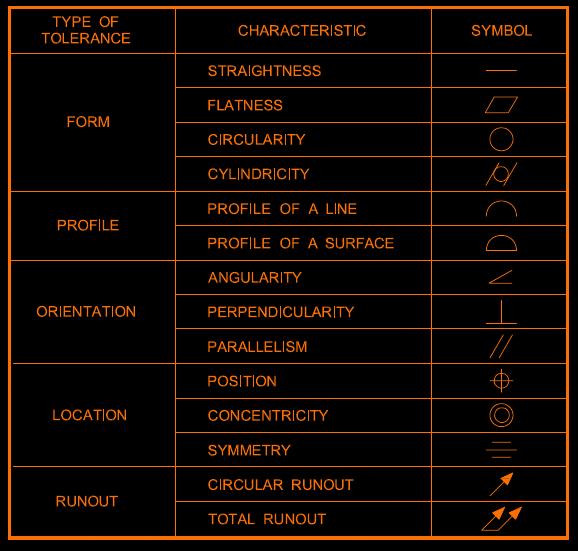
Faodar beachdachadh air rèidhleanachd mar a h-uile puing air an uachdar a bhith taobh a-staigh dà phlèana co-shìnte, plèana a’ bhunait agus plèana a’ mhullaich. Is e tomhas an astair eadar na plèanaichean rèidhleanachd iomlan an uachdair. Mar as trice bidh fulangas aig an tomhas rèidhleanachd seo agus faodaidh e comharrachadh ìre a ghabhail a-steach.
Mar eisimpleir, tha fulangas rèidh airson trì ìrean àbhaisteach air am mìneachadh anns an t-sònrachadh feadarail mar a tha air a dhearbhadh leis an fhoirmle a leanas:
■ Ìre Obair-lann AA = (40 + ceàrnag trastanach/25) x .000001" (aon-thaobhach)
■ Ìre Sgrùdaidh A = Ìre Obair-lann AA x 2
■ Seòmar Innealan Ìre B = Obair-lann Ìre AA x 4.
Airson pleitean uachdar de mheud àbhaisteach, tha sinn a’ gealltainn fulangas rèidh a tha nas àirde na riatanasan an t-sònrachaidh seo. A bharrachd air rèidh, tha ASME B89.3.7-2013 & Sònrachadh Feadarail GGG-P-463c a’ dèiligeadh ri cuspairean a’ gabhail a-steach: cruinneas tomhais ath-aithris, feartan stuthan clach-ghràin pleitean uachdar, crìochnachadh uachdar, suidheachadh puing taic, stiffness, dòighean sgrùdaidh iomchaidh, stàladh cuir-a-steach snàthaichte, msaa.
Bidh pleitean uachdar clach-ghràin ZHHIMG agus pleitean sgrùdaidh clach-ghràin a’ coinneachadh ri no a’ dol thairis air na riatanasan uile a tha air an cur a-mach san t-sònrachadh seo. Aig an àm seo, chan eil sònrachadh mìneachaidh ann airson pleitean ceàrn clach-ghràin, co-shìntean, no ceàrnagan maighstir.
Agus gheibh thu na foirmlean airson inbhean eile ann anLuchdaich a-nuas.
An toiseach, tha e cudromach am plàta a chumail glan. Mar as trice, is e duslach sgrìobach san adhar an adhbhar as motha airson caitheamh is deòir air plàta, oir bidh e buailteach a dhol a-steach do phìosan obrach agus uachdar conaltraidh nan tomhais. San dàrna àite, còmhdaich am plàta agad gus a dhìon bho dhuslach is milleadh. Faodar beatha caitheamh a leudachadh le bhith a’ còmhdach a’ phlàta nuair nach eilear ga cleachdadh, le bhith a’ tionndadh a’ phlàta bho àm gu àm gus nach tèid cus cleachdaidh a dhèanamh air aon raon, agus le bhith a’ cur padaichean conaltraidh stàilinn an àite padaichean carbide air na tomhasan. Cuideachd, seachain biadh no deochan bog a chuir air a’ phlàta. Thoir an aire gu bheil searbhag carbonach no fosfarach ann am mòran dheochan bog, a dh’ fhaodas na mèinnirean nas buige a sgaoileadh agus claisean beaga fhàgail san uachdar.
Tha seo an urra ri mar a thathar a’ cleachdadh a’ phlàta. Ma ghabhas e dèanamh, tha sinn a’ moladh a’ phlàta a ghlanadh aig toiseach an latha (no na shift obrach) agus a-rithist aig a’ cheann thall. Ma dh’fhàsas a’ phlàta salach, gu h-àraidh le lionntan olach no steigeach, bu chòir a glanadh sa bhad.
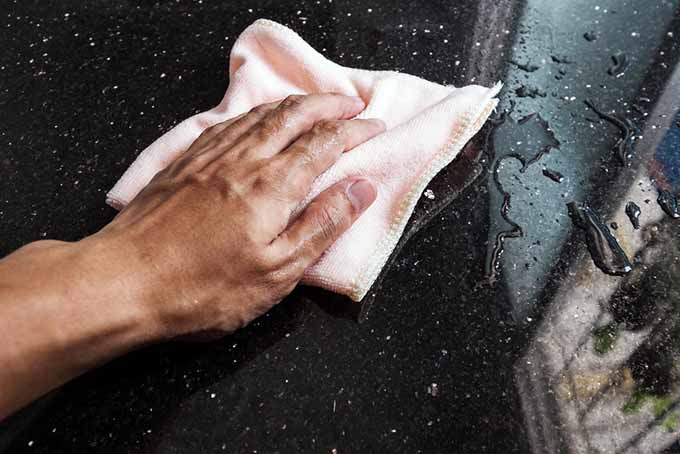
Glan am plàta gu cunbhalach le leaghan no inneal-glanaidh uachdar plàta gun uisge ZHHIMG. Tha an roghainn de fhuasglaidhean glanaidh cudromach. Ma thèid fuasglaiche luaineach a chleachdadh (acetone, tanaichear lacair, deoch làidir, msaa.) bidh an falmhachadh a’ fuarachadh an uachdair, agus ga shaobhadh. Anns a’ chùis seo, feumar leigeil leis a’ phlàta tilleadh gu àbhaisteach mus tèid a chleachdadh air neo tachraidh mearachdan tomhais.
Bidh an ùine a dh’ fheumar airson a’ phlàta a thighinn gu àbhaisteach ag atharrachadh a rèir meud a’ phlàta, agus na tha de fhuarachadh ann. Bu chòir uair a thìde a bhith gu leòr airson phlàtaichean nas lugha. Is dòcha gum bi feum air dà uair a thìde airson phlàtaichean nas motha. Ma thèid inneal-glanaidh stèidhichte air uisge a chleachdadh, bidh beagan fuarachaidh le gal ann cuideachd.
Cumaidh am plàta an t-uisge cuideachd, agus dh’ fhaodadh seo meirg adhbhrachadh air pàirtean meatailt a bhios a’ conaltradh ris an uachdar. Fàgaidh cuid de ghlanadairean fuigheall steigeach às deidh dhaibh tiormachadh, a tharraingeas duslach san adhar, agus a mheudaicheas caitheamh, seach a lughdachadh.
Tha seo an urra ri cleachdadh agus àrainneachd a’ phlàta. Tha sinn a’ moladh gun tèid ath-chalabrachadh iomlan a dhèanamh air plàta ùr no air goireas clach-ghràin mionaideach taobh a-staigh bliadhna bho cheannach. Ma thèid am plàta uachdar clach-ghràin a chleachdadh gu mòr, is dòcha gum biodh e ciallach an t-àm seo a ghiorrachadh gu sia mìosan. Seallaidh sgrùdadh mìosail airson mearachdan tomhais a-rithist le bhith a’ cleachdadh ìre dealanach, no inneal coltach ris, spotan caitheamh sam bith a tha a’ leasachadh agus cha toir e ach beagan mhionaidean a dhèanamh. Às deidh toraidhean a’ chiad ath-chalabrachaidh a dhearbhadh, faodar an t-àm calabrachaidh a leudachadh no a ghiorrachadh mar a tha ceadaichte no riatanach leis an t-siostam càileachd a-staigh agad.
Is urrainn dhuinn seirbheis a thabhann gus do chuideachadh le bhith a’ sgrùdadh agus a’ calabrachadh do phlàta uachdar clach-ghràin.

Tha grunn adhbharan a dh’ fhaodadh a bhith ann airson eadar-dhealachaidhean eadar calibrations:
- Chaidh an uachdar a nighe le fuasgladh teth no fuar mus deach a chalabrachadh, agus cha deach ùine gu leòr a thoirt dha airson a bhith air a dhèanamh àbhaisteach
- Tha taic neo-iomchaidh aig a’ phlàta
- Atharrachadh teòthachd
- Dreachan
- Solas dìreach na grèine no teas rèididh eile air uachdar a’ phlàta. Dèan cinnteach nach eil solais os cionn a’ teasachadh an uachdair.
- Caochlaidhean anns a’ chlaonadh teòthachd dhìreach eadar a’ gheamhradh agus an samhradh (Ma ghabhas e dèanamh idir, bi fios agad dè an teòthachd claonadh dhìreach a th’ ann aig an àm a thèid an calabrachadh a dhèanamh.)
- Cha deach ùine gu leòr a thoirt don phlàta airson a dhol à bith às dèidh a chuir air falbh
- Cleachdadh mì-iomchaidh uidheam sgrùdaidh no cleachdadh uidheam nach deach a chalabrachadh
- Atharrachadh uachdar mar thoradh air caitheamh
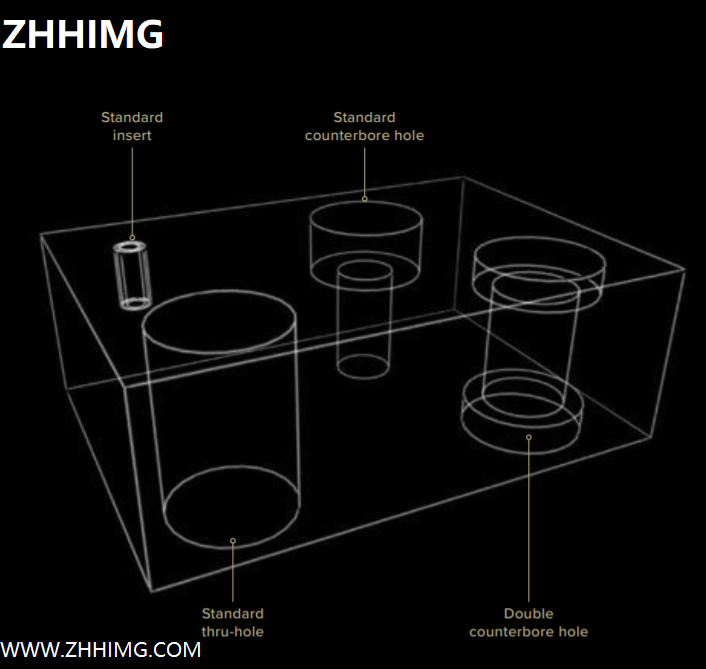
Cia mheud seòrsa toll a tha air clach-ghràin mionaideach?
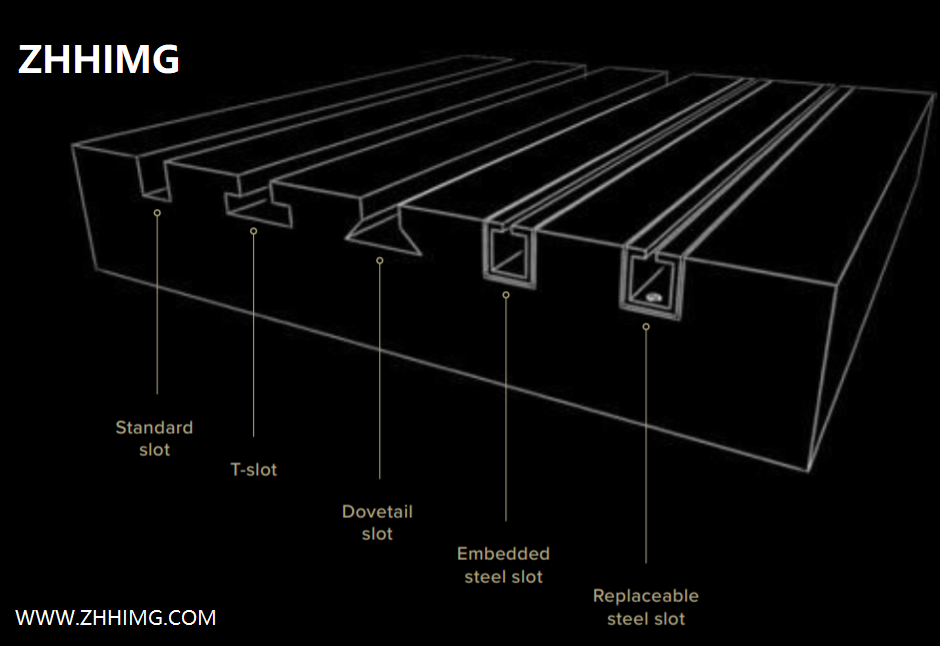
Sliotan air Co-phàirtean Granite Mionaideach
Airson mòran fhactaraidhean, seòmraichean sgrùdaidh agus deuchainn-lannan, thathas an urra ri pleitean uachdar clach-ghràin mionaideach mar bhunait airson tomhas ceart. Leis gu bheil a h-uile tomhas loidhneach an urra ri uachdar iomraidh ceart às a bheil na tomhasan deireannach air an toirt, bidh pleitean uachdar a’ toirt seachad am plèana iomraidh as fheàrr airson sgrùdadh agus cruth obrach mus tèid innealachadh a dhèanamh. Tha iad cuideachd nan bunaitean air leth freagarrach airson tomhasan àirde a dhèanamh agus uachdaran a thomhas. A bharrachd air an sin, tha ìre àrd de rèidhleanachd, seasmhachd, càileachd iomlan agus obair-ciùird gan dèanamh nan deagh roghainn airson siostaman tomhais meacanaigeach, dealanach agus optigeach sòlaimte a chuir suas. Airson gin de na pròiseasan tomhais sin, tha e riatanach pleitean uachdar a chumail air an calabrachadh.
Tomhais a-rithist agus rèidhleanachd
Tha an dà chuid rèidheachd agus ath-thomhasan deatamach gus dèanamh cinnteach à uachdar mionaideach. Faodar rèidheachd a mheas mar a h-uile puing air an uachdar a bhith taobh a-staigh dà phlèana co-shìnte, plèana a’ bhunait agus plèana a’ mhullaich. Is e tomhas an astair eadar na plèanaichean rèidheachd iomlan an uachdair. Mar as trice bidh fulangas aig a’ thomhas rèidheachd seo agus faodaidh e comharrachadh ìre a ghabhail a-steach.
Tha fulangas rèidh airson trì ìrean àbhaisteach air am mìneachadh anns an t-sònrachadh feadarail mar a tha air a dhearbhadh leis an fhoirmle a leanas:
Inbhe DIN, Inbhe GB, Inbhe ASME, inbhe JJS ... dùthaich eadar-dhealaichte le diofar sheasamh ...
Tuilleadh fiosrachaidh mun inbhe.
A bharrachd air rèidhleanachd, feumar dèanamh cinnteach gu bheil e comasach ath-aithris. Is e tomhas ath-aithris tomhas de raointean rèidhleanachd ionadail. Is e tomhas a th’ ann a thèid a ghabhail an àite sam bith air uachdar truinnsear a dh’ ath-aithriseas taobh a-staigh an fhulangas ainmichte. Le bhith a’ cumail smachd air rèidhleanachd sgìre ionadail gu fulangas nas teinne na rèidhleanachd iomlan, tha sin a’ gealltainn atharrachadh mean air mhean ann am pròifil rèidhleanachd an uachdair, agus mar sin a’ lughdachadh mhearachdan ionadail.
Gus dèanamh cinnteach gu bheil truinnsear uachdar a’ coinneachadh ris na sònrachaidhean airson rèidhleanachd agus ath-thomhas, bu chòir do luchd-saothrachaidh truinnsearan uachdar clach-ghràin Sònrachadh Feadarail GGG-P-463c a chleachdadh mar bhunait airson na sònrachaidhean aca. Tha an inbhe seo a’ dèiligeadh ri cruinneas ath-thomhas, feartan stuthan truinnsear uachdar clach-ghràin, crìochnachadh uachdar, suidheachadh puing taic, stiffness, dòighean sgrùdaidh iomchaidh agus stàladh cuir-a-steach snàthaichte.
A’ sgrùdadh cruinneas a’ phlàta
Le bhith a’ leantainn beagan stiùiridhean sìmplidh, bu chòir tasgadh ann am plàta uachdar clach-ghràin mairsinn airson iomadh bliadhna. A rèir cleachdadh a’ phlàta, àrainneachd na bùtha agus an cruinneas a tha a dhìth, bidh tricead sgrùdadh cruinneas a’ phlàta uachdar ag atharrachadh. Is e riaghailt choitcheann gum faigh plàta ùr ath-chothromachadh iomlan taobh a-staigh bliadhna bho cheannach. Ma thèid am plàta a chleachdadh gu tric, thathar a’ moladh an ùine seo a ghiorrachadh gu sia mìosan.
Mus bi truinnsear uachdar air caitheamh nas fhaide na an sònrachadh airson rèidhleanachd iomlan, seallaidh e puist caite no lùbach. Comharraichidh sgrùdadh mìosail airson mearachdan tomhais ath-aithris le bhith a’ cleachdadh inneal-tomhais ath-aithris spotan caitheamh. Tha inneal-tomhais ath-aithris na inneal àrd-chruinneas a lorgas mearachd ionadail agus a ghabhas taisbeanadh air amplifier dealanach àrd-mheudachaidh.
Bu chòir do phrògram sgrùdaidh èifeachdach sgrùdaidhean cunbhalach a ghabhail a-steach le autocollimator, a’ toirt seachad calabrachadh fìor air rèidhleanachd iomlan a ghabhas lorg gu Institiud Nàiseanta Inbhean is Teicneòlais (NIST). Tha feum air calabrachadh coileanta leis an neach-dèanamh no companaidh neo-eisimeileach bho àm gu àm.
Caochlaidhean eadar Calabraidhean
Ann an cuid de chùisean, bidh caochlaidhean ann eadar calabraidhean truinnsearan uachdar. Aig amannan faodaidh factaran leithid atharrachadh uachdar mar thoradh air caitheamh, cleachdadh ceàrr uidheamachd sgrùdaidh no cleachdadh uidheamachd neo-chalabraichte na caochlaidhean sin a mhìneachadh. Ach, is e teòthachd agus taic an dà fhactar as cumanta.
Is e teòthachd aon de na caochladairean as cudromaiche. Mar eisimpleir, is dòcha gun deach an uachdar a nighe le fuasgladh teth no fuar mus deach a chalabrachadh agus nach deach ùine gu leòr a thoirt dha airson a dhol à bith. Am measg adhbharan eile airson atharrachadh teòthachd tha dreachdan èadhair fhuar no theth, solas dìreach na grèine, solais os cionn no stòran teas rèididh eile air uachdar a’ phlàta.
Faodaidh atharrachaidhean a bhith ann cuideachd anns a’ chlaonadh teòthachd dhìreach eadar a’ gheamhradh agus an samhradh. Ann an cuid de chùisean, chan eil ùine gu leòr aig a’ phlàta airson tilleadh gu àbhaisteach às dèidh a chuir air falbh. ’S e deagh bheachd a th’ ann an teòthachd a’ chlaonaidh dhìreach a chlàradh aig an àm a thèid an calabrachadh a dhèanamh.
Is e adhbhar cumanta eile airson atharrachadh ann an calabrachadh truinnsear nach eil air a thaiceadh gu ceart. Bu chòir truinnsear uachdar a bhith air a thaiceadh aig trì puingean, gu h-iomchaidh suidhichte 20% den fhaid a-steach bho cheann a’ phlàta. Bu chòir dà thaic a bhith suidhichte 20% den leud a-steach bho na taobhan fada, agus bu chòir an taic a tha air fhàgail a bhith sa mheadhan.
Chan urrainn ach trì puingean fois a ghabhail gu daingeann air uachdar sam bith ach uachdar mionaideach. Ma dh’fheuchas tu ri taic a thoirt don phlàta aig barrachd air trì puingean, bidh sin ag adhbhrachadh gum faigh am plàta taic bho dhiofar choimeasgaidhean de thrì puingean, nach bi mar an aon trì puingean air an deach taic a thoirt dha rè an riochdachaidh. Bheir seo a-steach mearachdan fhad ‘s a bhios am plàta a’ lùbadh gus a bhith a rèir an rèiteachadh taic ùr. Smaoinich air seasain stàilinn a chleachdadh le sailtean taic a chaidh a dhealbhadh gus a bhith a rèir nam puingean taic ceart. Mar as trice, bidh seasain airson an adhbhair seo rim faighinn bhon neach-dèanamh plàta uachdar.
Ma tha am plàta air a chumail suas gu ceart, chan eil feum air ìreachadh mionaideach ach ma tha tagradh ga shònrachadh. Chan eil feum air ìreachadh gus cruinneas plàta le taic cheart a chumail suas.
Leudaich Beatha a’ Phlàta
Le bhith a’ leantainn beagan stiùiridhean lughdaichidh sin caitheamh air truinnsear uachdar clach-ghràin agus mu dheireadh, leudaichidh e a bheatha.
An toiseach, tha e cudromach am plàta a chumail glan. Mar as trice, is e duslach sgrìobach san adhar an adhbhar as motha airson caitheamh is deòir air plàta, oir bidh e buailteach a dhol a-steach do phìosan obrach agus uachdar conaltraidh nan tomhais.
Tha e cudromach cuideachd na truinnsearan a chòmhdach gus an dìon bho dhuslach is milleadh. Faodar beatha caitheamh a leudachadh le bhith a’ còmhdach a’ phlàta nuair nach eilear ga chleachdadh.
Cuairtich am plàta bho àm gu àm gus nach tèid cus cleachdaidh a dhèanamh air aon raon. Cuideachd, thathar a’ moladh padaichean conaltraidh stàilinn a chur an àite padaichean carbide air innealan-tomhais.
Seachain biadh no deochan bog a chur air a’ phlàta. Tha searbhag charboineach no fosfarach ann am mòran dheochan bog, agus faodaidh seo na mèinnirean nas buige a sgaoileadh agus cnapan beaga fhàgail air an uachdar.
Càite an tèid ath-chuairteachadh
Nuair a dh’fheumas uachdar pleit clach-ghràin ath-uachdarachadh, smaoinich am bu chòir an t-seirbheis seo a dhèanamh air an làrach no aig an goireas calabrachaidh. Tha e an-còmhnaidh nas fheàrr am pleit ath-leapadh aig an fhactaraidh no aig goireas sònraichte. Ach, mura h-eil am pleit air a chaitheamh ro dhona, mar as trice taobh a-staigh 0.001 òirleach den fhulangas a tha a dhìth, faodar ath-uachdarachadh air an làrach. Ma tha pleit air a chaitheamh chun na h-ìre far a bheil e barrachd air 0.001 òirleach a-mach à fulangas, no ma tha e air a phutadh no air a sgàineadh gu dona, bu chòir a chur chun fhactaraidh airson a bleith mus tèid ath-leapadh.
Tha an uidheamachd agus na roghainnean factaraidh aig goireas calabrachaidh a bheir seachad na suidheachaidhean as fheàrr airson calabrachadh ceart a dhèanamh air a’ phlàta agus ath-obrachadh ma tha sin riatanach.
Bu chòir a bhith faiceallach nuair a thaghas tu teicneòlaiche calabrachaidh is ath-uachdarachaidh air an làrach. Iarr teisteanas agus dearbhaich gu bheil calabrachadh ri lorg aig an uidheamachd a chleachdas an teicneòlaiche. Tha eòlas na fheart cudromach cuideachd, oir bheir e iomadh bliadhna ionnsachadh mar a nì thu lapadh ceart air clach-ghràin mhionaideach.
Bidh tomhasan cudromach a’ tòiseachadh le truinnsear uachdar clach-ghràin mionaideach mar bhun-loidhne. Le bhith a’ dèanamh cinnteach à iomradh earbsach le bhith a’ cleachdadh truinnsear uachdar air a chalabrachadh gu ceart, tha aon de na h-innealan riatanach aig luchd-saothrachaidh airson tomhasan earbsach agus pàirtean de chàileachd nas fheàrr.Q
Liosta-sgrùdaidh airson Caochlaidhean Calabrachaidh
1. Chaidh an uachdar a nighe le fuasgladh teth no fuar mus deach a chalabrachadh agus cha deach ùine gu leòr a thoirt dha gus a dhèanamh àbhaisteach.
2. Chan eil taic iomchaidh aig a’ phlàta.
3. Atharrachadh teòthachd.
4. Dreachan.
5. Solas dìreach na grèine no teas rèididh eile air uachdar a’ phlàta. Dèan cinnteach nach eil solais os cionn a’ teasachadh an uachdair.
6. Caochlaidhean anns a’ chlaonadh teòthachd dhìreach eadar a’ gheamhradh agus an samhradh. Ma ghabhas e dèanamh idir, bi fios agad dè an teòthachd claonadh dhìreach a th’ ann aig an àm a thèid an calabrachadh a dhèanamh.
7. Cha deach ùine gu leòr a thoirt don phlàta gus a h-uile càil atharrachadh às dèidh a chur air falbh.
8. Cleachdadh mì-iomchaidh uidheam sgrùdaidh no cleachdadh uidheam neo-chalabraichte.
9. Atharrachadh uachdar mar thoradh air caitheamh.
Molaidhean Teicneòlais
- Leis gu bheil a h-uile tomhas loidhneach an urra ri uachdar iomraidh ceart às a bheil na tomhasan deireannach air an toirt, bidh pleitean uachdar a’ toirt seachad am plèana iomraidh as fheàrr airson sgrùdadh agus cruth obrach mus tèid innealachadh a dhèanamh.
- Le bhith a’ cumail smachd air rèidhleanachd sgìre ionadail gu fulangas nas teinne na rèidhleanachd iomlan, tha sin a’ gealltainn atharrachadh mean air mhean ann am pròifil rèidhleanachd an uachdair, agus mar sin a’ lughdachadh mhearachdan ionadail.
- Bu chòir do phrògram sgrùdaidh èifeachdach sgrùdaidhean cunbhalach a thoirt a-steach le autocollimator, a’ toirt seachad calabrachadh fìor air rèidhleanachd iomlan a ghabhas lorg chun Ùghdarras Sgrùdaidh Nàiseanta.
Am measg nam mìrean mèinnearach a tha a’ dèanamh suas clach-ghràin, tha còrr is 90% dhiubh nan feldspar agus grian-chlach, agus is e feldspar a’ mhòr-chuid dhiubh. Bidh am feldspar gu tric geal, liath is dearg-fheòil, agus tha a’ mhòr-chuid gun dath no geal liath-liath aig a’ ghrian-chlach, agus is iad sin prìomh dhath a’ chlach-ghràin. Tha feldspar agus grian-chlach nan mèinnirean cruaidh, agus tha e duilich an gluasad le sgian stàilinn. A thaobh nan spotan dorcha anns a’ chlach-ghràin, gu h-àraidh mica dubh, tha cuid de mhèinnirean eile ann. Ged a tha biotite caran bog, chan eil a chomas seasamh an aghaidh cuideam lag, agus aig an aon àm tha beagan dhiubh ann an clach-ghràin, gu tric nas lugha na 10%. Is e seo an suidheachadh stuthan anns a bheil clach-ghràin gu sònraichte làidir.
Is e adhbhar eile airson gu bheil clach-ghràin làidir gu bheil na mìrean mèinnearach aice ceangailte gu teann ri chèile agus air an leabachadh a-steach dha chèile. Gu tric bidh na pores a’ dèanamh suas nas lugha na 1% de mheud iomlan na creige. Tha seo a’ toirt don chlach-ghràin comas seasamh ri cuideaman làidir agus chan eil taiseachd a’ dol a-steach ann gu furasta.
Tha co-phàirtean clach-ghràin air an dèanamh de chlach gun meirg, searbhag agus alcalan, deagh sheasamh caitheamh agus beatha seirbheis fhada, gun chumail suas sònraichte. Bithear a’ cleachdadh co-phàirtean mionaideachd clach-ghràin sa mhòr-chuid ann an innealan gnìomhachas an inneil. Mar sin, canar co-phàirtean mionaideachd clach-ghràin no co-phàirtean clach-ghràin riutha. Tha feartan cho-phàirtean mionaideachd clach-ghràin gu bunaiteach mar an ceudna ri feartan àrd-ùrlaran clach-ghràin. Ro-ràdh do innealan agus tomhas cho-phàirtean mionaideachd clach-ghràin: Tha teicneòlas innealachaidh mionaideachd agus meanbh-innealachaidh nan stiùiridhean leasachaidh cudromach ann an gnìomhachas saothrachaidh innealan, agus tha iad air a bhith nan comharradh cudromach airson ìre àrd-theicneòlais a thomhas. Tha leasachadh teicneòlais ùr-nodha agus gnìomhachas an dìon do-sgaraichte bho theicneòlas innealachaidh mionaideachd agus meanbh-innealachaidh. Faodar co-phàirtean clach-ghràin a shleamhnadh gu rèidh anns an tomhas, gun stagnation. Tomhas uachdar obrach, chan eil sgrìoban coitcheann a’ toirt buaidh air cruinneas tomhais. Feumar co-phàirtean clach-ghràin a dhealbhadh agus a thoirt gu buil a rèir riatanasan taobh an iarrtas.
Raon tagraidh:
Mar a tha fios againn uile, tha barrachd is barrachd innealan is uidheamachd a’ taghadh phàirtean clach-ghràin mionaideach.
Bithear a’ cleachdadh phàirtean clach-ghràin airson gluasad fiùghantach, motaran loidhneach, cmm, cnc, inneal laser...
fàilte fios a chur thugainn airson tuilleadh fiosrachaidh.
Tha innealan-tomhais clach-ghràin agus co-phàirtean meacanaigeach clach-ghràin air an dèanamh de chlach-ghràin dhubh Jinan àrd-inbhe. Air sgàth an cruinneas àrd, an ùine fhada, an deagh sheasmhachd agus an aghaidh creimeadh, tha iad air a bhith air an cleachdadh barrachd is barrachd ann an sgrùdadh thoraidhean gnìomhachas an latha an-diugh agus raointean saidheansail leithid meacanaigeach, fànais, agus rannsachadh saidheansail.
Buannachdan
----Dà uair cho cruaidh ri iarann tilgte;
----Tha atharrachaidhean beaga ann am meud mar thoradh air atharrachaidhean ann an teòthachd;
----Saor bho bhith a’ crathadh, agus mar sin chan eil bacadh air obair;
----Saor bho bhorran no stealladh air sgàth structar gràin mìn agus greamachd neo-shoilleir, a nì cinnteach à ìre àrd de rèidhleanachd thar beatha seirbheis fhada agus nach dèan milleadh air pàirtean no ionnstramaidean eile;
----Obrachadh gun trioblaid airson a chleachdadh le stuthan magnetach;
----Beatha fhada agus saor bho mheirg, agus mar thoradh air sin tha cosgaisean cumail suas ìosal.
Tha na pleitean uachdar clach-ghràin mionaideach air an lapadh gu mionaideach gu ìre àrd de rèidhleanachd gus cruinneas a choileanadh agus tha iad air an cleachdadh mar bhunait airson siostaman tomhais meacanaigeach, dealanach agus optigeach sòlaimte a chuir suas.
Seo cuid de na feartan sònraichte a tha aig truinnsear uachdar clach-ghràin:
Co-ionannachd ann an cruas;
Cumhachan ceart fo luchd;
Gabhail a-steach crith;
Furasta a ghlanadh;
An aghaidh pasgadh;
Porosity ìosal;
Neo-sgrìobach;
Neo-mhagnaiteach
Buannachdan Plàta Uachdar Granite
An toiseach, às dèidh ùine mhòr de bhith a’ fàs nas sine gu nàdarra, bidh structar èideadh, co-èifeachd as ìsle, agus cuideam a-staigh na creige a’ dol à sealladh gu tur, gun a bhith air a dheformachadh, agus mar sin tha an cruinneas àrd.
San dàrna àite, cha bhith sgrìoban ann, chan ann fo chumhachan teòthachd seasmhach, aig teòthachd an t-seòmair faodaidh e cuideachd cruinneas tomhais teòthachd a chumail suas.
San treas àite, chan e magnetachadh, faodaidh an tomhas a bhith rèidh, gun faireachdainn creaky, gun bhuaidh taiseachd, tha am plèana stèidhichte.
Ceithir, tha an cruas math, tha an cruas àrd, tha an aghaidh sgrìobadh làidir.
Còig, gun eagal air bleith searbhagach is alcaileach, cha bhith e a’ meirgeadh, chan fheum e ola a pheantadh, chan eil e furasta duslach beag a steigeadh, furasta a chumail suas, beatha seirbheis fhada.
Carson a thaghas tu bonn clach-ghràin an àite leabaidh inneil iarainn-teilgte?
1. Dh’fhaodadh bunait inneal-graineit cruinneas nas àirde a chumail na bunait inneal-iarainn-tilgte. Bidh bunait inneal-iarainn-tilgte furasta a bhualadh le teòthachd agus taiseachd ach chan eil bunait inneal-graineit;
2. Leis an aon mheud de bhunait inneal clach-ghràin agus bunait iarainn-teilgte, tha bunait inneal clach-ghràin nas èifeachdaiche a thaobh cosgais na iarann-teilgte;
3. Tha bunait inneal clach-ghràin sònraichte nas fhasa a chrìochnachadh na bunait inneal iarainn-tilgte.
Tha pleitean uachdar clach-ghràin nam prìomh ionnsramaidean ann an deuchainn-lannan sgrùdaidh air feadh na dùthcha. Leigidh uachdar rèidh, calabraichte, pleit uachdar le luchd-sgrùdaidh an cleachdadh mar bhun-loidhne airson sgrùdaidhean phàirtean agus calabrachadh ionnsramaidean. Às aonais na seasmhachd a tha pleitean uachdar a’ toirt seachad, bhiodh e fada na bu duilghe, mura h-eil e do-dhèanta, mòran de na pàirtean le fulangas teann ann an diofar raointean teicneòlais is meidigeach a dhèanamh gu ceart. Gu dearbh, gus bloc uachdar clach-ghràin a chleachdadh gus stuthan is innealan eile a chalabrachadh agus a sgrùdadh, feumar cruinneas a’ chlach-ghràin fhèin a mheasadh. Faodaidh luchd-cleachdaidh pleit uachdar clach-ghràin a chalabrachadh gus dèanamh cinnteach gu bheil e ceart.
Glan uachdar a’ phlàta clach-ghràin mus tèid a chalabrachadh. Dòirt beagan de inneal-glanaidh uachdar a’ phlàta air clò glan, bog agus sguab uachdar a’ chlach-ghràin. Tiormaich an inneal-glanaidh sa bhad bhon phlàta le clò tioram. Na leig leis an leaghan glanaidh tiormachadh san adhar.
Cuir tomhas-tomhais ath-aithris air meadhan a’ phlàta uachdar clach-ghràin.
Cuir an inneal-tomhais ath-aithris gu neoni ri uachdar a’ phlàta clach-ghràin.
Gluais an inneal-tomhais gu slaodach thairis air uachdar a’ chlach-ghràin. Coimhead air comharra an inneil-tomhais agus clàraich na mullaichean de dh’atharrachaidhean àirde sam bith fhad ’s a ghluaiseas tu an inneal thairis air a’ phlàta.
Dèan coimeas eadar an atharrachadh ann an rèidhleanachd thar uachdar a’ phlàta agus na fulangasan airson do phlàta uachdar, a tha ag atharrachadh a rèir meud a’ phlàta agus ìre rèidhleanachd a’ chlach-ghràin. Thoir sùil air sònrachadh feadarail GGG-P-463c (faic Goireasan) gus faighinn a-mach a bheil do phlàta a’ coinneachadh ri riatanasan rèidhleanachd airson a mheud agus a ìre. Is e an t-atharrachadh eadar a’ phuing as àirde air a’ phlàta agus a’ phuing as ìsle air a’ phlàta a thomhas rèidhleanachd.
Dèan cinnteach gu bheil na caochlaidhean doimhneachd as motha air uachdar a’ phlàta a’ tighinn taobh a-staigh nan sònrachaidhean ath-aithris airson plàta den mheud agus den ìre sin. Thoir sùil air sònrachadh feadarail GGG-P-463c (faic Goireasan) gus faighinn a-mach a bheil do phlàta a’ coinneachadh ri riatanasan ath-aithris airson a mheud. Diùlt am plàta uachdar ma dh’ fhailicheas eadhon aon phuing air na riatanasan ath-aithris.
Sguir de bhith a’ cleachdadh truinnsear uachdar clach-ghràin nach eil a’ coinneachadh ri riatanasan feadarail. Till am truinnsear chun neach-dèanamh no gu companaidh uachdar clach-ghràin gus am bloc ath-sholaiseachadh gus coinneachadh ri sònrachaidhean.
Molaidh
Dèan calibrations foirmeil co-dhiù aon uair sa bhliadhna, ged a bu chòir plataichean uachdar clach-ghràin a thathas a’ cleachdadh gu mòr a chalibration nas trice.
Bidh calabrachadh foirmeil, clàrachail ann an àrainneachdan saothrachaidh no sgrùdaidh gu tric air a dhèanamh le dearbhadh càileachd no solaraiche seirbheisean calabrachaidh taobh a-muigh, ged a dh’ fhaodas duine sam bith tomhas-tomhais ath-aithris a chleachdadh gus sgrùdadh neo-fhoirmeil a dhèanamh air truinnsear uachdar mus tèid a chleachdadh.
Eachdraidh Thràth nam Plàtaichean Uachdar Granite
Ron Dàrna Cogadh, chleachd luchd-saothrachaidh Pleitean Uachdar Stàilinn airson sgrùdadh tomhasach phàirtean. Rè an Dàrna Cogaidh, mheudaich an fheum air stàilinn gu mòr, agus chaidh mòran de Phleitean Uachdar Stàilinn a leaghadh. Bha feum air fear eile na àite, agus b’ e clach-ghràin an stuth a b’ fheàrr leotha air sgàth a fheartan meatraigeach nas fheàrr.
Thàinig grunn bhuannachdan a bha aig clach-ghràin thairis air stàilinn am follais. Tha clach-ghràin nas cruaidhe, ged a tha e nas brisge agus nas buailtiche do sgoltadh. Faodaidh tu clach-ghràin a lùbadh gu rèidhlean nas motha agus nas luaithe na stàilinn. Tha feart ion-mhiannaichte aig clach-ghràin cuideachd le leudachadh teirmeach nas ìsle an taca ri stàilinn. A bharrachd air an sin, ma bha feum air càradh air truinnsear stàilinn, b’ fheudar dha a bhith air a sgrìobadh le làimh le luchd-ciùird a chuir an sgilean an sàs ann an ath-thogail innealan-inneil cuideachd.
Mar nota taobh, tha cuid de Phlàtaichean Uachdar Stàilinn fhathast gan cleachdadh an-diugh.
Feartan Meatreòlais Phlàtaichean Granite
'S e creag theinnteach a th' ann an clach-ghràin a chaidh a chruthachadh le spreadhaidhean bholcànach. An coimeas ri sin, 's e clach-aoil meatamorfaichte a th' ann am marmor. Airson a chleachdadh ann an meataireòlas, bu chòir don chlach-ghràin a thèid a thaghadh coinneachadh ri riatanasan sònraichte a tha air am mìneachadh ann an Sònrachadh Feadarail GGG-P-463c, ris an canar Sònrachaidhean Feadarail bho seo a-mach, agus gu sònraichte, Pàirt 3.1 3.1 Am measg nan Sònrachaidhean Feadarail, bu chòir gum biodh inneach mìn gu meadhanach gràineil ann an clach-ghràin.
Is e stuth cruaidh a th’ ann an clach-ghràin, ach tha a chruas ag atharrachadh airson grunn adhbharan. Faodaidh teicneòlaiche eòlach air pleitean clach-ghràin an cruas a thomhas a rèir a dhath, a tha na chomharradh air an t-susbaint grian-chloiche a th’ ann. Tha cruas clach-ghràin na fheart a tha air a mhìneachadh gu ìre le meud an t-susbaint grian-chloiche agus dìth mica. Is e na clach-ghràin dearga is pinc as cruaidhe, tha cruas meadhanach aig na liatha, agus is iad na dubha as buige.
Tha Modúl Leaisteachd Young air a chleachdadh gus sùbailteachd no comharradh air cruas na cloiche a chur an cèill. Tha cuibheasachd de 3-5 puingean aig clach-ghràin pinc air an sgèile, 5-7 puingean aig liath agus 7-10 puingean aig dubh. Mar as lugha an àireamh, ’s ann as cruaidhe a bhios a’ chlach-ghràin buailteach a bhith. Mar as motha an àireamh, ’s ann as buige agus as sùbailte a bhios a’ chlach-ghràin. Tha e cudromach cruas a’ chlach-ghràin a bhith agad nuair a thaghas tu tiughas a tha a dhìth airson ìrean fulangas agus cuideam phàirtean agus tomhais a chuirear air.
Anns na seann làithean nuair a bha fìor mheacanaigearan ann, ris an canar na leabhranan clàr trigonometry aca nam pòcaidean lèine, bhathar den bheachd gur e clach-ghràin dhubh “As Fheàrr.” B’ e an seòrsa as Fheàrr a mhìnicheadh mar an seòrsa a thug an aghaidh as motha ri caitheamh no a tha nas cruaidhe. Is e aon eas-bhuannachd gu bheil clach-ghràin nas cruaidhe buailteach a bhith a’ sgoltadh no a’ dòrtadh nas fhasa. Bha luchd-meacanaig cho cinnteach gur e clach-ghràin dhubh as fheàrr is gun do dhath cuid de luchd-saothrachaidh clach-ghràin pinc dubh e.
Chunnaic mi fhìn truinnsear a chaidh a leigeil far forc-togail nuair a chaidh a ghluasad bhon stòradh. Bhuail am truinnsear an làr agus sgoilt e ann an dà leth a’ nochdadh an fhìor dhath pinc. Bi faiceallach ma tha thu an dùil clach-ghràin dhubh a cheannach a-mach à Sìona. Tha sinn a’ moladh gun caith thu d’ airgead ann an dòigh air choireigin eile. Faodaidh cruas truinnsear clach-ghràin a bhith eadar-dhealaichte ann fhèin. Faodaidh sreath de chuartz a bhith tòrr nas cruaidhe na a’ chòrr den phlàta uachdar. Faodaidh sreath de gabbro dubh raon a dhèanamh tòrr nas buige. Tha fios aig teicneòlaichean càraidh truinnsearan uachdar le deagh thrèanadh agus eòlas mar a làimhsicheas iad na raointean bog seo.
Ìrean Plàta Uachdar
Tha ceithir ìrean de phlàtaichean uachdar ann. Ìre obair-lann AA agus A, Ìre Sgrùdaidh Seòmar B, agus an ceathramh ìre, Ìre B-obrach. Is iad na h-ìrean AA agus A as rèidhe le fulangas rèidh nas fheàrr na 0.00001 òirleach airson plàta Ìre AA. Is iad na h-ìrean B-obrach as lugha rèidh agus mar a tha an t-ainm ag ràdh, tha iad an dùil a chleachdadh ann an seòmraichean innealan. Ach tha Ìre AA, Ìre A agus Ìre B an dùil a chleachdadh ann an obair-lann sgrùdaidh no smachd càileachd.
PDeuchainn Roper airson Calabrachadh Plàta Uachdar
Tha mi air a bhith ag innse dha mo luchd-ceannach a-riamh gum faod mi pàiste 10 bliadhna a dh'aois sam bith a thoirt a-mach às an eaglais agam agus a theagasg dhaibh ann am beagan làithean mar a nì iad deuchainn air truinnsear. Chan eil e doirbh. Feumaidh e beagan innleachd gus an obair a dhèanamh gu sgiobalta, innleachdan a dh’ionnsaicheas neach thar ùine agus mòran ath-aithris. Bu chòir dhomh innse dhut, agus chan urrainn dhomh cuideam a chuir air gu leòr, nach e modh-obrach calabrachaidh a th’ ann am Fed Spec GGG-P-463c! Barrachd air sin nas fhaide air adhart.
A rèir Sònrachaidhean an Fed, tha e riatanach calabrachadh a dhèanamh air sgrùdaidhean rèidh iomlan (Mean Pane) agus ath-aithris (caitheamh ionadail). Is e an aon eisgeachd don seo le pleitean beaga far nach eil feum ach air ath-aithris.
Cuideachd, agus dìreach cho cudromach ris na deuchainnean eile, tha an deuchainn airson ìrean teirmeach. (Faic Delta T gu h-ìosal)
Figear 1
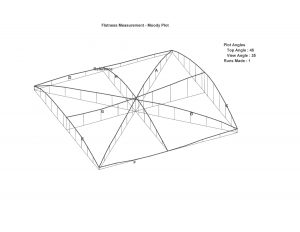
Tha 4 dòighean ceadaichte ann airson Deuchainn Cothromachd. Ìrean dealanach, fèin-cho-thaobhadh, leusair agus inneal ris an canar lorgadair plèana. Cha chleachd sinn ìrean dealanach ach leis gur iadsan an dòigh as cruinne agus as luaithe airson grunn adhbharan.
Bidh leusairean agus autocollimators a’ cleachdadh gath solais dìreach mar iomradh. Nì neach tomhas dìreachachd de phlàta uachdar clach-ghràin le bhith a’ dèanamh coimeas eadar an atharrachadh ann an astar eadar a’ phlàta uachdar agus gath an t-solais. Le bhith a’ gabhail gath solais dhìreach, ga bhualadh air targaid meòrachaidh fhad ‘s a tha an targaid meòrachaidh a’ gluasad sìos a’ phlàta uachdar, is e tomhas dìreachachd an t-astar eadar a’ ghath a thèid a leigeil a-mach agus a’ ghath tilleadh.
Seo an duilgheadas leis an dòigh seo. Tha crith, teòthachd na h-àrainneachd, targaid nach eil rèidh no sgrìobte, truailleadh san adhar, agus gluasad adhair (sruthan) a’ toirt buaidh air an targaid agus an stòr. Bidh iad sin uile a’ cur ri pàirtean a bharrachd de mhearachd. A bharrachd air an sin, tha mearachd an obraiche bho sgrùdaidhean le autocollimator nas motha.
Faodaidh neach-cleachdaidh eòlach air autocollimator tomhasan glè chruinn a dhèanamh ach tha duilgheadasan aige fhathast le cunbhalachd nan leughaidhean gu h-àraidh thairis air astaran nas fhaide leis gu bheil na meòrachadh buailteach a bhith a’ leudachadh no a’ fàs beagan doilleir. Cuideachd, bidh targaid nach eil gu tur rèidh agus latha fada a’ coimhead tron lionsa ag adhbhrachadh mhearachdan a bharrachd.
Tha inneal lorg plèana dìreach gòrach. Bidh an inneal seo a’ cleachdadh gath solais dìreach (an taca ri gath solais co-chruinnichte no leusair gu math dìreach) mar iomradh. Chan e a-mhàin gu bheil an inneal meacanaigeach a’ cleachdadh comharra aig a bheil rùn 20 òirleach a-mhàin mar as trice, ach tha neo-dhìreachd a’ bhàr agus stuthan eadar-dhealaichte a’ cur gu mòr ri mearachdan ann an tomhas. Nar beachd-ne, ged a tha an dòigh iomchaidh, cha bhiodh obair-lann comasach sam bith a’ cleachdadh inneal lorg plèana mar inneal sgrùdaidh deireannach.
Bidh ìrean dealain a’ cleachdadh grabhataidh mar iomradh. Chan eil crith a’ toirt buaidh air ìrean dealain eadar-dhealaichte. Tha rùn aca cho ìosal ri .1 arc diog agus tha na tomhais luath, ceart agus chan eil mòran mearachd ann bho obraiche eòlach. Chan eil Lorgairean Plèana no fèin-cho-thaobhadh a’ toirt seachad plotaichean topografach (Figear 1) no isometric (Figear 2) den uachdar a chaidh a chruthachadh le coimpiutair.
Figear 2
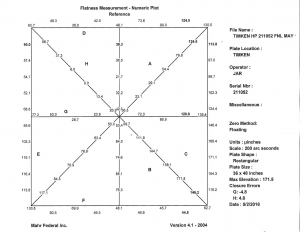
Deuchainn air rèidh-chòmhnardachd cheart an uachdair
Tha deuchainn air rèidhleanachd cheart an uachdair na phàirt cho cudromach den phàipear seo is gum bu chòir dhomh a chur aig an toiseach. Mar a chaidh a ràdh roimhe, CHAN E dòigh calabrachaidh a th’ ann an Sònrachadh Feadarail GGG-p-463c. Tha e na stiùireadh airson mòran thaobhan de chlach-ghràin ìre meatreòlais aig a bheil Buidheann Riaghaltais Feadarail sam bith san amharc a bhith ga ceannach, agus tha sin a’ toirt a-steach na dòighean deuchainn agus fulangas no ìrean. Ma tha cunnradair ag ràdh gun do lean iad Sònrachaidhean Feadarail, thèid luach na rèidhleanachd a dhearbhadh leis an Modh Moody.
B’ e fear a bh’ ann am Moody bho chionn fhada anns na 1950an a dhealbhaich dòigh matamataigeach gus rèidhleanachd iomlan a dhearbhadh agus gus cunntas a thoirt air treòrachadh nan loidhnichean a chaidh a dhearbhadh, ge bith an robh iad faisg gu leòr air an aon phlèana. Chan eil dad air atharrachadh. Dh’fheuch Allied Signal ri leasachadh a dhèanamh air an dòigh matamataigeach ach cho-dhùin iad nach robh na h-eadar-dhealachaidhean cho beag is nach robh e airidh air an oidhirp.
Ma chleachdas cunnradair pleit uachdar Ìrean Dealanach no leusair, bidh e a’ cleachdadh coimpiutair gus a chuideachadh leis na h-àireamhachadh. Às aonais taic coimpiutair feumaidh an teicneòlaiche a bhios a’ cleachdadh fèin-cho-thaobhadh na leughaidhean obrachadh a-mach le làimh. Gu dearbh, chan eil iad ga dhèanamh. Bheir e ro fhada agus gu fìrinneach is dòcha gu bheil e ro dhùbhlanach. Ann an deuchainn rèidhleanachd a’ cleachdadh Modh Moody, bidh an teicneòlaiche a’ dèanamh deuchainn air ochd loidhnichean ann an rèiteachadh Union Jack airson dìreachachd.
An Modh Moody
’S e dòigh matamataigeach a th’ ann an Modh Moody airson faighinn a-mach a bheil na h-ochd loidhnichean air an aon phlèana. Rud eile, chan eil agad ach ochd loidhnichean dìreach a dh’ fhaodadh a bhith air no faisg air an aon phlèana. A bharrachd air an sin, ma tha cunnradair ag ràdh gu bheil e a’ cumail ri Sònrachadh Feadarail, agus a’ cleachdadh fèin-cho-thaobhadh, tha e…feumaidhochd duilleagan dàta a ghineadh. Aon duilleag airson gach loidhne a chaidh a sgrùdadh gus dearbhadh a dhèanamh air an deuchainn, an càradh, no an dà chuid. Rud eile, chan eil fios aig a’ chunnradair dè an fhìor luach rèidh a th’ ann.
Tha mi cinnteach ma tha thu nad aon de na daoine sin a gheibh na pleitean agad air an calibratadh le cunnradair a’ cleachdadh autocollimation, chan fhaca tu na duilleagan sin a-riamh! Tha Figear 3 na eisimpleir dedìreach aonduilleag de ochd riatanach gus an rèidhleanachd iomlan obrachadh a-mach. Is e aon chomharradh air an aineolas agus an droch-rùn sin ma tha àireamhan cruinn snog san aithisg agad. Mar eisimpleir, 200, 400, 650, msaa. Is e fìor àireamh a th’ ann an luach a chaidh obrachadh a-mach gu ceart. Mar eisimpleir 325.4 u Ann an. Nuair a chleachdas an cunnradair Modh Moody airson obrachadh a-mach, agus an teicneòlaiche a’ tomhas nan luachan le làimh, bu chòir dhut ochd duilleagan de obrachadh a-mach agus plota isometric fhaighinn. Tha am plota isometric a’ sealltainn na h-àirdean eadar-dhealaichte air feadh nan diofar loidhnichean agus dè an astar a tha eadar na puingean trasnaidh taghte.
Figear 3(Bheir e ochd duilleagan mar seo gus rèidhleanachd obrachadh a-mach le làimh. Dèan cinnteach gun faighnich thu carson nach eil thu a’ faighinn seo ma chleachdas an cunnradair agad fèin-cho-thaobhadh!)
Figear 4
Bidh teicneòlaichean Tomhas-tomhais Meudach a’ cleachdadh ìrean eadar-dhealaichte (Figear 4) mar innealan as fheàrr leotha gus na h-atharrachaidhean beaga ann an ceàrnachd bho stèisean tomhais gu stèisean a thomhas. Tha rùn aig na h-ìrean sìos gu .1 diogan arc (5 u òirlich a’ cleachdadh sled 4″) tha iad gu math seasmhach, chan eil buaidh aig crith, astaran air an tomhas, sruthan adhair, sgìths an obraiche, truailleadh adhair no gin de na duilgheadasan a tha an lùib innealan eile orra. Cuir taic coimpiutair ris, agus bidh an obair gu math luath, a’ gineadh phlotaichean topografach agus isometric a’ dearbhadh an dearbhaidh agus nas cudromaiche an càradh.
Deuchainn Ath-aithris Iomchaidh
’S e ath-leughadh no ath-aithris an deuchainn as cudromaiche. ’S e uidheam leughaidh ath-aithris, LVDT agus amplifier a tha riatanach airson leughaidhean àrd-rèiteachaidh an uidheamachd a bhios sinn a’ cleachdadh gus an deuchainn ath-aithris a dhèanamh. Bidh sinn a’ suidheachadh an amplifier LVDT gu rùn as ìsle de 10 u òirlich no 5 u òirlich airson pleitean àrd-chruinneas.
Chan eil feum sam bith ann a bhith a’ cleachdadh comharra meacanaigeach le rùn de dìreach 20 òirleach ma tha thu a’ feuchainn ri deuchainn a dhèanamh airson riatanas ath-aithris de 35 òirleach. Tha mì-chinnt de 40 òirleach aig comharran! Tha an rèiteachadh leughaidh ath-aithris ag atharrais air rèiteachadh tomhas àirde/pàirt.
CHAN EIL ath-aithris an aon rud ri rèidhleanachd iomlan (Plèana Meadhanach). Is toigh leam smaoineachadh air ath-aithris ann an clach-ghràin mar thomhas cunbhalach air radius.
Figear 5
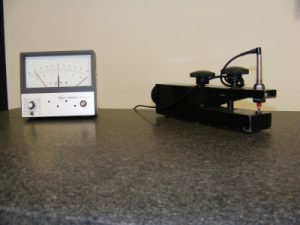
Ma nì thu deuchainn airson ath-aithris ball cruinn, tha thu air dearbhadh nach eil radius a’ bhàil air atharrachadh. (Tha cumadh crùnach lùbte aig pròifil air leth freagarrach truinnsear a chaidh a chàradh gu ceart.) Ach, tha e follaiseach nach eil am ball rèidh. Uill, seòrsa de. Air astar goirid, tha e rèidh. Leis gu bheil a’ mhòr-chuid den obair sgrùdaidh a’ toirt a-steach tomhas àirde glè fhaisg air a’ phàirt, is e ath-aithris an togalach as cudromaiche de phlàta clach-ghràin. Tha e nas cudromaiche na an rèidhleanachd iomlan mura h-eil neach-cleachdaidh a’ sgrùdadh dìreachachd pàirt fhada.
Dèan cinnteach gun dèan an cunnradair agad deuchainn ath-leughaidh. Faodaidh leughadh ath-aithris a bhith aig truinnsear gu math a-mach às an ìre fulangais ach fhathast deuchainn rèidh a thoirt seachad! Gu h-iongantach, faodaidh obair-lann creideas fhaighinn ann an deuchainnean nach eil a’ toirt a-steach deuchainn ath-leughaidh. Is fheàrr le obair-lann nach urrainn càradh no nach eil glè mhath air càradh dìreach deuchainnean rèidh a dhèanamh. Is ann ainneamh a bhios rèidhlean ag atharrachadh mura gluais thu am truinnsear.
’S e deuchainnean ath-leughaidh as fhasa a dhearbhadh ach ’s e an fheadhainn as duilghe a choileanadh nuair a thathar a’ lapadh. Dèan cinnteach gum faod an cunnradair agad ath-aithris a thoirt air ais gun an uachdar a “mhilleadh” no tonnan fhàgail san uachdar.
Deuchainn Delta-T
Tha an deuchainn seo a’ toirt a-steach tomhas teòthachd fhìor na cloiche aig a h-uachdar as àirde agus a h-uachdar as ìsle agus obrachadh a-mach an diofar, Delta T, airson aithris a dhèanamh air an teisteanas.
Tha e cudromach fios a bhith agad gur e 3.5 uIn/Òirleach/ceum an co-èifeachd leudachaidh teirmeach cuibheasach ann an clach-ghràin. Tha buaidh teodhachd is taiseachd mun cuairt air truinnsear clach-ghràin glè bheag. Ach, faodaidh truinnsear uachdar a dhol a-mach à fulangas no uaireannan leasachadh eadhon ged a tha e ann an Delta T aig .3 – .5 ceum F. Tha e riatanach fios a bhith agad a bheil an Delta T taobh a-staigh .12 ceum F bhon eadar-dhealachadh bhon chalabrachadh mu dheireadh.
Tha e cudromach cuideachd fios a bhith agad gu bheil uachdar obrach truinnsear a’ gluasad a dh’ionnsaigh teas. Ma tha an teòthachd as àirde nas blàithe na a’ bhonn, bidh an uachdar as àirde ag èirigh. Ma tha a’ bhonn nas blàithe, rud a tha tearc, bidh an uachdar as àirde a’ dol fodha. Chan eil e gu leòr do mhanaidsear càileachd no teicneòlaiche fios a bhith aige gu bheil am truinnsear rèidh agus ath-aithris aig àm an calabrachaidh no an càraidh ach dè an Delta T a bh’ aige aig àm an deuchainn calabrachaidh mu dheireadh. Ann an suidheachaidhean èiginneach faodaidh neach-cleachdaidh, le bhith a’ tomhas an Delta T fhèin, faighinn a-mach a bheil truinnsear air a dhol a-mach à fulangas air sgàth atharrachaidhean Delta T a-mhàin. Gu fortanach, bheir clach-ghràin grunn uairean a thìde no eadhon làithean gus fàs cleachdte ri àrainneachd. Cha bhith buaidh aig atharrachaidhean beaga ann an teòthachd na h-àrainneachd tron latha air. Air na h-adhbharan sin, chan eil sinn ag aithris teòthachd no taiseachd calabrachaidh na h-àrainneachd leis gu bheil na buaidhean neo-shuntasach.
Caitheamh Plàta Granite
Ged a tha clach-ghràin nas cruaidhe na pleitean stàilinn, bidh clach-ghràin fhathast a’ leasachadh spotan ìosal air an uachdar. Is e gluasad ath-aithriseach phàirtean agus thomhasairean air a’ phlàta uachdar an stòr as motha de chaitheamh, gu sònraichte ma tha an aon raon ga chleachdadh gu cunbhalach. Bidh salachar agus duslach bleith a thèid a leigeil seachad air uachdar plàta a’ luathachadh a’ phròiseis caitheamh fhad ‘s a bhios e a’ faighinn eadar pàirtean no tomhasairean agus uachdar a’ chlach-ghràin. Nuair a bhios pàirtean agus thomhasairean a’ gluasad thairis air an uachdar aige, mar as trice is e duslach sgrìobach adhbhar caitheamh a bharrachd. Tha mi a’ moladh gu mòr glanadh cunbhalach gus caitheamh a lughdachadh. Tha sinn air caitheamh fhaicinn air pleitean air adhbhrachadh le lìbhrigeadh pacaidean UPS làitheil air am mullach pleitean! Bidh na raointean caitheamh ionadail sin a’ toirt buaidh air leughaidhean deuchainn ath-aithris calibrachaidh. Seachain caitheamh le bhith a’ glanadh gu cunbhalach.
Glanadh Plàta Granite
Gus am plàta a chumail glan, cleachd clò tac gus salachar a thoirt air falbh. Brùth gu math aotrom, gus nach fhàg thu fuigheall glaodh. Bidh clò tac a tha air a chleachdadh gu math a’ dèanamh obair sàr-mhath a’ togail duslach bleith eadar glanaidhean. Na obraich san aon àite. Gluais an rèiteachadh agad timcheall a’ phlàta, a’ sgaoileadh a’ chaitheamh. Tha e ceart gu leòr deoch làidir a chleachdadh gus plàta a ghlanadh, ach bi mothachail gum bi sin a’ fuarachadh an uachdair gu mòr airson ùine. Tha uisge le beagan siabann sàr-mhath. Tha na glanadairean a tha rim faighinn gu malairteach leithid glanadair Starrett cuideachd sàr-mhath airson an cleachdadh, ach dèan cinnteach gun toir thu a h-uile fuigheall siabann far an uachdar.
Càradh Plàta Granite
Bu chòir dha a bhith follaiseach a-nis cho cudromach 's a tha e dèanamh cinnteach gu bheil an cunnradair truinnsear uachdar agad a' dèanamh calabrachadh comasach. Is ann ainneamh a bhios teicneòlaiche aig na deuchainn-lannan seòrsa "Taigh-glanaidh" a tha a' tabhann phrògraman "Dèan a h-uile càil le aon ghairm" as urrainn càradh a dhèanamh. Fiù 's ma tha iad a' tabhann càradh, chan eil teicneòlaiche aca an-còmhnaidh aig a bheil an t-eòlas a dh'fheumar nuair a tha am truinnsear uachdar gu math a-mach à fulangas.
Ma thèid innse dhut nach gabh truinnsear a chàradh air sgàth caitheamh mòr, cuir fòn thugainn. ’S e sin as coireach gum bi e comasach dhuinn an càradh a dhèanamh.
Bidh na teicneòlaichean againn ag obair preantasachd aon gu bliadhna gu leth fo stiùireadh Maighstir Teicneòlaiche Plàta Uachdar. Tha sinn a’ mìneachadh Maighstir Teicneòlaiche Plàta Uachdar mar chuideigin a tha air crìoch a chur air a’ phreantasachd aca agus aig a bheil còrr is deich bliadhna a bharrachd de eòlas ann an calabrachadh agus càradh Plàta Uachdar. Aig Dimensional Gauge tha triùir Mhaighstir Teicneòlaichean againn air an luchd-obrach le còrr is 60 bliadhna de eòlas còmhla. Tha aon de na Maighstirean Teicneòlaichean againn ri fhaighinn an-còmhnaidh airson taic agus stiùireadh nuair a thig suidheachaidhean duilich am bàrr. Tha eòlas aig a h-uile teicneòlaiche againn air calabrachadh plàta uachdar de gach meud, bho bheag gu glè mhòr, diofar shuidheachaidhean àrainneachdail, diofar ghnìomhachasan, agus ann an duilgheadasan caitheamh mòra.
Tha riatanas crìochnachaidh sònraichte de 16 gu 64 Garbh-chrìochan Àireamhachd Chuibheasach (AA) aig Sònrachaidhean Fed. Is fheàrr leinn crìochnachadh anns an raon 30-35 AA. Tha dìreach gu leòr garbh-chrìochan ann gus dèanamh cinnteach gu bheil pàirtean agus tomhais a’ gluasad gu rèidh agus nach bi iad a’ steigeadh no a’ teannachadh ris a’ phlàta uachdar.
Nuair a bhios sinn a’ càradh, bidh sinn a’ sgrùdadh a’ phlàta airson a shuidheachadh ceart agus a chothromachadh. Bidh sinn a’ cleachdadh dòigh-obrach lapaidh tioram, ach ann an cùisean caitheamh mòr a dh’ fheumas toirt air falbh mòran clach-ghràin, bidh sinn a’ lapadh fliuch. Bidh na teicneòlaichean againn a’ glanadh às an dèidh fhèin, tha iad mionaideach, luath agus mionaideach. Tha sin cudromach leis gu bheil cosgais seirbheis plàta clach-ghràin a’ toirt a-steach an ùine downt agad agus call cinneasachaidh. Tha càradh comasach air leth cudromach, agus cha bu chòir dhut cunnradair a thaghadh a rèir prìs no goireasachd. Feumaidh cuid de dh’ obair calabrachaidh daoine air an trèanadh gu mòr. Tha sin againn.
Aithisgean Calabrachaidh Deireannach
Airson gach càradh is calabrachadh truinnsear uachdar, bidh sinn a’ toirt seachad aithisgean proifeasanta mionaideach. Tha tòrr fiosrachaidh chudromach is buntainneach anns na h-aithisgean againn. Tha feum aig Fed Spec. air a’ mhòr-chuid den fhiosrachadh a thug sinn seachad. A bharrachd air an fheadhainn a tha ann an inbhean càileachd eile leithid ISO/IEC-17025, is iad na Sònrachaidhean Fed as ìsle airson aithisgean:
- Meud ann an troighean (X' x X')
- Dath
- Stoidhle (A’ toirt iomradh air leacan gun chlamp no dà no ceithir leacan)
- Modúl Leaisteachd Measaichte
- Fulangas Plèana Meadhanach (Air a dhearbhadh a rèir Ìre/Meud)
- Fulangas ath-leughaidh (Air a dhearbhadh le fad trastanach ann an òirlich)
- Plèana Meadhanach mar a chaidh a lorg
- Plèana Meadhanach mar a tha air an taobh chlì
- Ath-leughadh mar a lorgar
- Ath-aithris an leughadh mar a tha air an taobh chlì
- Delta T (Eadar-dhealachadh teòthachd eadar uachdaran àrda is ìosal)
Ma dh’fheumas an teicneòlaiche obair lapaidh no càraidh a dhèanamh air a’ phlàta uachdair, bidh plota topagrafach no isometric an cois an teisteanas calabrachaidh gus dearbhadh gu bheil càradh dligheach ann.
Facal mu dheidhinn teisteanasan ISO/IEC-17025 agus na deuchainn-lannan aig a bheil iad
Dìreach air sgàth 's gu bheil teisteanas aig obair-lann ann an calabrachadh phlàtaichean uachdar, chan eil sin a' ciallachadh gu bheil fios aca dè tha iad a' dèanamh, gun luaidh air a dhèanamh ceart! Chan eil sin a' ciallachadh gu bheil an obair-lann comasach air càradh a dhèanamh nas motha. Chan eil na buidhnean creideasachaidh a' dèanamh an eadar-dhealachaidh eadar dearbhadh no calabrachadh (càradh).Aagus tha fios agam air fear, is dòcha2buidhnean creideis a bhiosLceangailArioban timcheall air mo chù nam biodh mi air airgead gu leòr a phàigheadh dhaibh! Is e fìrinn bhrònach a th’ ann. Tha mi air fhaicinn deuchainn-lannan a’ faighinn creideas le bhith a’ dèanamh dìreach aon de na trì deuchainnean a tha a dhìth. A bharrachd air an sin, tha mi air fhaicinn deuchainn-lannan a’ faighinn creideas le mì-chinnt mì-reusanta agus a’ faighinn creideas gun dearbhadh no taisbeanadh sam bith air mar a rinn iad àireamhachadh air na luachan. Tha e uile mì-fhortanach.
Geàrr-chunntas
Chan urrainn dhut dì-meas a dhèanamh air àite phlàtaichean clach-ghràin mionaideach. Is e an iomradh rèidh a bheir plàtaichean clach-ghràin seachad am bunait air a bheil thu a’ dèanamh a h-uile tomhas eile.
’S urrainn dhut na h-innealan tomhais as ùire, as cruinne agus as ioma-chruthach a chleachdadh. Ach, tha e doirbh tomhasan ceart a dhearbhadh mura h-eil an uachdar iomraidh rèidh. Aon uair, thuirt neach-ceannach san amharc rium “uill chan eil ann ach creag!” Mo fhreagairt, “Ceart gu leòr, tha thu ceart, agus gu cinnteach chan urrainn dhut a bhith a’ fìreanachadh gum bi eòlaichean a’ tighinn a-steach gus na truinnsearan uachdar agad a chumail suas.”
Chan eil prìs a-riamh na adhbhar math airson cunnradairean pleitean uachdar a thaghadh. Chan eil ceannaichean, cunntasairean agus àireamh draghail de innleadairean càileachd an-còmhnaidh a’ tuigsinn nach eil ath-dhearbhadh pleitean clach-ghràin coltach ri ath-dhearbhadh micrometer, caliper no DMM.
Feumaidh cuid de dh’ionnstramaidean eòlas, chan e prìs ìosal. Às dèidh sin a ràdh, tha na reataichean againn gu math reusanta. Gu h-àraidh airson misneachd a bhith agad gu bheil sinn a’ dèanamh na h-obrach gu ceart. Bidh sinn a’ dol fada seachad air riatanasan ISO-17025 agus Sònrachaidhean Feadarail ann an luach a bharrachd.
’S e pleitean uachdar am bunait airson mòran thomhasan tomhasach, agus tha e riatanach cùram ceart a thoirt don phlàta uachdar agad gus dèanamh cinnteach à cruinneas tomhais.
’S e clach-ghràin an stuth as mòr-chòrdte a thathas a’ cleachdadh airson pleitean uachdar air sgàth a fheartan fiosaigeach air leth freagarrach, leithid cruas uachdar agus cugallachd ìosal ri atharrachaidhean teòthachd. Ach, le cleachdadh leantainneach bidh pleitean uachdar a’ fulang caitheamh.
Tha rèidhleanachd agus ath-aithris le chèile nan taobhan deatamach airson faighinn a-mach a bheil uachdar mionaideach aig truinnsear airson tomhasan ceart fhaighinn. Tha na fulangas airson an dà thaobh air am mìneachadh fo Shònrachadh Feadarail GGG-P-463C, DIN, GB, JJS... Is e rèidhleanachd tomhas an astair eadar a’ phuing as àirde (plèana a’ mhullaich) agus a’ phuing as ìsle (plèana a’ bhunait) air a’ phlàta. Tha ath-aithris a’ dearbhadh an gabh tomhas a chaidh a thoirt bho aon raon ath-aithris air feadh a’ phlàta gu lèir taobh a-staigh an fhulangas ainmichte. Tha seo a’ dèanamh cinnteach nach eil mullaichean no gleanntan anns a’ phlàta. Mura h-eil na leughaidhean taobh a-staigh nan stiùiridhean ainmichte, is dòcha gum bi feum air ath-uachdar gus na tomhasan a thoirt air ais a rèir an t-sònrachaidh.
Tha feum air calabrachadh cunbhalach air truinnsearan uachdar gus dèanamh cinnteach à rèidhleanachd agus ath-aithris thar ùine. Tha teisteanas ISO 17025 aig a’ bhuidheann tomhais mionaideachd aig Cross airson calabrachadh rèidhleanachd agus ath-aithris truinnsearan uachdar. Bidh sinn a’ cleachdadh Siostam Teisteanais Truinnsearan Uachdar Mahr anns a bheil:
- Mion-sgrùdadh Moody agus Pròifil,
- Plotaichean isometric no àireamhach,
- Cuibheasachd ioma-ruith, agus
- Gradachadh fèin-ghluasadach a rèir inbhean gnìomhachais.
Bidh Modail le Taic Coimpiutair Mahr a’ dearbhadh claonadh ceàrnach no loidhneach sam bith bhon ìre iomlan, agus tha e gu math freagarrach airson pròifileadh fìor mhionaideach de phlàtaichean uachdar.
Bidh na h-eadar-amaichean eadar calabraidhean ag atharrachadh a rèir cho tric ’s a thèid an cleachdadh, na suidheachaidhean àrainneachdail far a bheil am plàta suidhichte, agus riatanasan càileachd sònraichte a’ chompanaidh agad. Le bhith a’ cumail suas do phlàta uachdar gu ceart, faodaidh sin leigeil le eadar-amaichean nas fhaide eadar gach calabrachadh, cuidichidh e thu gus cosgais a bharrachd ath-leapadh a sheachnadh, agus nas cudromaiche, nì e cinnteach gu bheil na tomhasan a gheibh thu air a’ phlàta cho ceart ‘s a ghabhas. Ged a tha coltas làidir air pleitean uachdar, tha iad nan ionnstramaidean mionaideach agus bu chòir an làimhseachadh mar sin. Seo cuid de rudan ri bheachdachadh a thaobh cùram do phlàitean uachdar:
- Cùm am plàta glan, agus ma ghabhas e dèanamh còmhdaich e nuair nach eilear ga chleachdadh
- Cha bu chòir dad a chur air a’ phlàta ach a-mhàin tomhais no pìosan a tha ri thomhas.
- Na cleachd an aon àite air a’ phlàta a h-uile turas.
- Ma ghabhas e dèanamh, tionndaidh am plàta bho àm gu àm.
- Thoir urram do chrìoch luchdaidh do phlàta
Faodaidh Bonn Granite Mionaideach Coileanaidhean Innealan a Leasachadh
Tha riatanasan a’ sìor fhàs ann an innleadaireachd meacanaigeach san fharsaingeachd agus ann an togail innealan-inneil gu sònraichte. Tha a bhith a’ coileanadh luachan cruinneas is coileanaidh as àirde gun chosgaisean a mheudachadh nan dùbhlain leantainneach a thaobh a bhith farpaiseach. Tha leabaidh nan innealan-inneil na fheart cinnteach an seo. Mar sin, tha barrachd is barrachd luchd-saothrachaidh innealan-inneil an urra ri clach-ghràin. Air sgàth a pharaimeatairean fiosaigeach, tha e a’ tabhann buannachdan soilleir nach gabh a choileanadh le stàilinn no concrait polymer.
'S e creag dhomhainn bholcànach a th' ann an clach-ghràin agus tha structar glè thiugh agus aonghnèitheach aice le co-èifeachd leudachaidh glè ìosal, seoltachd teirmeach ìosal agus maothachadh crith àrd.
Gu h-ìosal gheibh thu a-mach carson a tha a’ bheachd choitcheann nach eil clach-ghràin freagarrach ach mar bhunait inneil airson innealan tomhais co-òrdanachaidh àrd-ìre air a dhol à bith o chionn fhada agus carson a tha an stuth nàdarrach seo mar bhunait inneil na roghainn eile glè bhuannachdail an àite stàilinn no iarann teilgte eadhon airson innealan inneil àrd-chruinneas.
Is urrainn dhuinn co-phàirtean clach-ghràin a dhèanamh airson gluasad fiùghantach, co-phàirtean clach-ghràin airson motaran loidhneach, co-phàirtean clach-ghràin airson ndt, co-phàirtean clach-ghràin airson x-ghath, co-phàirtean clach-ghràin airson cmm, co-phàirtean clach-ghràin airson cnc, mionaideachd clach-ghràin airson laser, co-phàirtean clach-ghràin airson aerospace, co-phàirtean clach-ghràin airson ìrean mionaideachd...
Luach Àrd-leasaichte gun Chosgaisean a Bharrachd
Chan eil cleachdadh a tha a’ sìor fhàs de chlach-ghràin ann an innleadaireachd meacanaigeach cho mòr mar thoradh air an àrdachadh mòr ann am prìs stàilinn. An àite sin, tha e air sgàth gu bheil an luach a bharrachd airson an inneil-inneil a gheibhear le leabaidh inneil air a dhèanamh de chlach-ghràin comasach aig glè bheag de chosgais a bharrachd no gun chosgais a bharrachd idir. Tha seo air a dhearbhadh le coimeasan cosgais luchd-saothrachaidh innealan-inneil ainmeil sa Ghearmailt agus san Roinn Eòrpa.
Chan urrainnear an buannachd mhòr ann an seasmhachd teirmeadainimigeach, maothachadh crith agus cruinneas fad-ùine a tha comasach le clach-ghràin a choileanadh le leabaidh iarainn-tilgte no stàilinn, no aig cosgais an ìre mhath àrd a-mhàin. Mar eisimpleir, faodaidh mearachdan teirmeach suas ri 75% de mhearachd iomlan inneil a dhèanamh suas, agus bidh bathar-bog gu tric a’ feuchainn ri dìoladh a dhèanamh – le soirbheachas meadhanach. Air sgàth cho ìosal sa tha an giùlan teirmeach aige, is e clach-ghràin am bunait as fheàrr airson cruinneas fad-ùine.
Le fulangas de 1 μm, bidh clach-ghràin a’ coinneachadh gu furasta ri riatanasan rèidh a rèir DIN 876 airson ìre cruinneas 00. Le luach de 6 air sgèile cruas 1 gu 10, tha e air leth cruaidh, agus leis a chuideam sònraichte de 2.8g/cm³ tha e cha mhòr a’ ruighinn luach alùmanaim. Tha seo cuideachd a’ leantainn gu buannachdan a bharrachd leithid ìrean beathachaidh nas àirde, luathachadh ais nas àirde agus leudachadh air beatha innealan airson innealan gearraidh. Mar sin, bidh an t-atharrachadh bho leabaidh tilgte gu leabaidh inneal clach-ghràin a’ gluasad an inneal inneil sin a-steach don chlas àrd-ìre a thaobh cruinneas agus coileanadh - gun chosgais a bharrachd.
Lorg-coise Eag-eòlasach Leasaichte Granite
An coimeas ri stuthan leithid stàilinn no iarann tilgte, chan fheum clach nàdarra a bhith air a dèanamh le mòran lùtha agus le bhith a’ cleachdadh stuthan cur-ris. Chan eil feum ach air glè bheag de lùth airson cuaraidh agus làimhseachadh uachdar. Tha seo a’ leantainn gu lorg-coise eag-eòlasach nas fheàrr, a tha eadhon aig deireadh beatha inneil a’ dol thairis air lorg-coise stàilinn mar stuth. Faodar an leabaidh clach-ghràin a chleachdadh mar bhunait airson inneal ùr no faodar a chleachdadh airson adhbharan gu tur eadar-dhealaichte leithid sgoltadh airson togail rathaidean.
Agus chan eil gainnead ghoireasan ann airson clach-ghràin. 'S e creag dhomhainn a th' ann a chaidh a chruthachadh bho magma taobh a-staigh rùsg na talmhainn. Tha e air 'aibidh' airson milleanan de bhliadhnaichean agus tha e ri fhaighinn ann an àireamhan mòra mar ghoireas nàdarra air cha mhòr a h-uile mòr-thìr, a' gabhail a-steach an Roinn Eòrpa gu lèir.
Co-dhùnadh: Tha na buannachdan iomadach a tha follaiseach aig clach-ghràin an taca ri stàilinn no iarann tilgte a’ dearbhadh cho deònach sa tha innleadairean meacanaigeach a’ sìor fhàs an stuth nàdarra seo a chleachdadh mar bhunait airson innealan inneal àrd-chruinneas, àrd-choileanadh. Gheibhear fiosrachadh mionaideach mu fheartan clach-ghràin, a tha buannachdail airson innealan inneal agus innleadaireachd meacanaigeach, san artaigil seo.
Is e tomhas ath-aithris tomhas de raointean rèidh ionadail. Tha an sònrachadh Tomhais Ath-aithris ag ràdh gun tèid tomhas a thèid a ghabhail àite sam bith air uachdar truinnsear ath-aithris taobh a-staigh an fhulangas ainmichte. Le bhith a’ cumail smachd air rèidh sgìre ionadail nas teinne na rèidh iomlan, tha sin a’ gealltainn atharrachadh mean air mhean ann am pròifil rèidh uachdar agus mar sin a’ lughdachadh mhearachdan ionadail.
Bidh a’ mhòr-chuid de luchd-saothrachaidh, nam measg suaicheantasan a chaidh a thoirt a-steach, a’ cumail ris an t-Sònrachadh Feadarail airson fulangas rèidh iomlan ach tha mòran a’ dearmad nan tomhasan ath-aithris. Chan eil mòran de na pleitean luach ìosal no buidseit a tha rim faighinn air a’ mhargaidh an-diugh a’ gealltainn tomhasan ath-aithris. Chan eil neach-dèanamh nach eil a’ gealltainn tomhasan ath-aithris a’ dèanamh pleitean a choinnicheas ri riatanasan ASME B89.3.7-2013 no Sònrachadh Feadarail GGG-P-463c, no DIN 876, GB, JJS...
Tha an dà chuid deatamach gus dèanamh cinnteach à uachdar mionaideach airson tomhasan ceart. Chan eil sònrachadh rèidh leis fhèin gu leòr airson cruinneas tomhais a ghealltainn. Gabh mar eisimpleir, truinnsear uachdar Sgrùdaidh Ìre A 36 X 48, a choinnicheas ri sònrachadh rèidh .000300" A-MHÀIN. Ma tha am pìos a thathar a’ sgrùdadh a’ dol thairis air grunn mhullaichean, agus ma tha an tomhasair a thathar a’ cleachdadh ann an àite ìosal, dh’ fhaodadh am mearachd tomhais a bhith aig an fhulangas iomlan ann an aon raon, 000300"! Gu dearbh, faodaidh e a bhith tòrr nas àirde ma tha an tomhasair na laighe air leathad leathad.
Tha mearachdan de .000600"-.000800" comasach, a rèir dè cho dona 's a tha an leathad, agus fad gàirdean an tomhais a thathar a' cleachdadh. Nam biodh sònrachadh Ath-thomhais de .000050"FIR aig a' phlàta seo, bhiodh am mearachd tomhais nas lugha na .000050" ge bith càite an tèid an tomhas a ghabhail air a' phlàta. Is e duilgheadas eile, a bhios mar as trice ag èirigh nuair a dh'fheuchas teicneòlaiche gun trèanadh ri uachdar ùr a chur air plàta air an làrach, cleachdadh Ath-thomhais leis fhèin gus plàta a dhearbhadh.
CHAN EIL na h-innealan a thathar a’ cleachdadh gus ath-aithris a dhearbhadh air an dealbhadh gus cothromachd iomlan a dhearbhadh. Nuair a thèid an suidheachadh gu neoni air uachdar lùbte gu foirfe, cumaidh iad orra a’ leughadh neoni, ge bith a bheil an uachdar sin gu tur rèidh no gu tur cuasach no cuasach 1/2"! Bidh iad dìreach a’ dearbhadh cunbhalachd an uachdair, chan e an cothromachd. Chan eil ach truinnsear a choinnicheas ri sònrachadh an cothromachd AGUS sònrachadh tomhais ath-aithris a’ coinneachadh ri riatanasan ASME B89.3.7-2013 no Sònrachadh Feadarail GGG-P-463c.
Ask us about or flatness specification and repeat measurement promise by calling +86 19969991659 or emailing INFO@ZHHIMG.COM
'S e, ach chan urrainnear gealltainn dhaibh ach airson claonadh teòthachd dìreach sònraichte. Dh'fhaodadh buaidh leudachadh teirmeach air a' phlàta atharrachadh ann an cruinneas adhbhrachadh gu furasta nas motha na an fulangas ma tha atharrachadh anns a' chlaonadh. Ann an cuid de chùisean, ma tha an fulangas teann gu leòr, faodaidh an teas a thèid a ghabhail a-steach bho sholais os cionn atharrachadh claonadh gu leòr adhbhrachadh thar grunn uairean a thìde.
Tha co-èifeachd leudachaidh teirmeach aig clach-ghràin de mu .0000035 òirleach gach òirleach gach 1°F. Mar eisimpleir: Tha cruinneas de .000075" (1/2 de Ìre AA) aig truinnsear uachdar 36" x 48" x 8" aig claonadh de 0°F, tha an teòthachd aig a’ mhullach agus a’ bhonn co-ionann. Ma bhios mullach a’ phlàta a’ blàthachadh chun na h-ìre far a bheil e 1°F nas blàithe na a’ bhonn, dh’atharraicheadh an cruinneas gu .000275" convex! Mar sin, cha bu chòir beachdachadh air òrdachadh truinnsear le fulangas nas teinne na Ìre AA Obair-lann ach ma tha smachd iomchaidh air gnàth-shìde ann.
Bu chòir truinnsear uachdar a bhith air a chumail suas aig 3 puingean, gu h-iomchaidh suidhichte 20% den fhaid a-steach bho cheann a’ phlàta. Bu chòir dà thaic a bhith suidhichte 20% den leud a-steach bho na taobhan fada, agus bu chòir an taic a tha air fhàgail a bhith sa mheadhan. Chan urrainn ach 3 puingean fois a ghabhail gu daingeann air rud sam bith ach uachdar mionaideach.
Bu chòir taic a thoirt don phlàta aig na puingean seo rè cinneasachadh, agus cha bu chòir taic a thoirt dha ach aig na trì puingean seo fhad ‘s a tha e ga chleachdadh. Ma dh’ fheuchas tu ris a’ phlàta a chumail aig barrachd air trì puingean, bidh sin ag adhbhrachadh gum faigh a’ phlàta taic bho dhiofar choimeasgaidhean de thrì puingean, nach bi mar an aon 3 puingean air an deach taic a thoirt dha rè cinneasachadh. Bheir seo a-steach mearachdan fhad ‘s a bhios a’ phlàta a’ lùbadh gus a bhith a rèir an rèiteachadh taic ùr. Tha sailtean taic aig a h-uile seasamh stàilinn zhhimg a chaidh a dhealbhadh gus a bhith a rèir nam puingean taic ceart.
Ma tha an truinnsear air a chumail suas gu ceart, chan eil feum air ìreachadh mionaideach ach ma tha an tagradh agad ga iarraidh. Chan eil feum air ìreachadh gus cruinneas truinnsear le taic cheart a chumail suas.
Carson a thaghas tu Granite airsonBunait InnealanagusCo-phàirtean Meatreòlais?
Is e am freagairt ‘tha’ airson cha mhòr a h-uile tagradh. Am measg nam buannachdan a tha aig clach-ghràin tha: Gun mheirg no creimeadh, cha mhòr dìonach bho lùbadh, gun chnap dìolaidh nuair a thèid a ghearradh, beatha caitheamh nas fhaide, gnìomh nas socair, mionaideachd nas motha, cha mhòr neo-mhagnaiteach, co-èifeachd leudachaidh teirmeach ìosal, agus cosgais cumail suas ìosal.
'S e seòrsa de chreig theinnteach a th' ann an clach-ghràin a thathas a' cladhach airson a neart, a dùmhlachd, a seasmhachd agus a sheasamh an aghaidh creimeadh. Ach tha clach-ghràin cuideachd glè ioma-chruthach - chan ann dìreach airson ceàrnagan agus ceart-cheàrnagan a tha e! Gu dearbh, bidh Starrett Tru-Stone ag obair gu misneachail le co-phàirtean clach-ghràin air an innleadaireachd ann an cumaidhean, ceàrnan agus lùban de gach seòrsa gu cunbhalach - le toraidhean sàr-mhath.
Tro ar giullachd ùr-nodha, faodaidh uachdaran gearraidh a bhith air leth rèidh. Tha na feartan seo a’ dèanamh clach-ghràin mar an stuth air leth freagarrach airson bunaitean innealan agus co-phàirtean meatreòlais de mheud is dealbhadh àbhaisteach a chruthachadh. Is e clach-ghràin:
innealaichte
dìreach rèidh nuair a thèid a ghearradh agus a chrìochnachadh
an aghaidh meirge
seasmhach
maireannach
Tha pàirtean clach-ghràin furasta an glanadh cuideachd. Nuair a bhios tu a’ cruthachadh dhealbhaidhean gnàthaichte, bi cinnteach gun tagh thu clach-ghràin air sgàth a bhuannachdan àrd-inbhe.
INBHEAN/ TAGRAIDHEAN ÀRD-CHAITHEAMH
Tha susbaint àrd grian-chlach anns a’ chlach-ghràin a bhios ZhongHui a’ cleachdadh airson ar toraidhean truinnsear uachdar àbhaisteach, a bheir barrachd dìon an aghaidh caitheamh is milleadh. Tha ìrean ìosal gabhail a-steach uisge aig na dathan Superior Black agus Crystal Pink againn, a’ lughdachadh a’ chothruim gum meirg na tomhasairean mionaideach agad fhad ‘s a tha iad a’ suidheachadh air na truinnsearan. Bidh na dathan clach-ghràin a tha ZhongHui a’ tabhann a’ leantainn gu nas lugha de dheàrrsadh, a tha a’ ciallachadh nas lugha de sgìths sùla dha daoine fa leth a bhios a’ cleachdadh nam truinnsearan. Tha sinn air na seòrsaichean clach-ghràin againn a thaghadh fhad ‘s a tha sinn a’ beachdachadh air leudachadh teirmeach ann an oidhirp an taobh seo a chumail cho ìosal ‘s as urrainn.
IARRTASAN GNÀTHAICHTE
Nuair a bhios feum agad air truinnsear le cumaidhean gnàthaichte, cuir-a-steach snàthaichte, sliotan no innealachadh eile airson an tagraidh agad, bidh thu airson stuth mar Black Diabase a thaghadh. Tha an stuth nàdarrach seo a’ tabhann stiffness nas fheàrr, maothachadh crith sàr-mhath, agus comas innealachaidh nas fheàrr.
'S e, mura h-eil iad ro dhona air an caitheamh. Leigidh an suidheachadh factaraidh agus an uidheamachd againn leis na suidheachaidhean as fheàrr airson calabrachadh ceart a dhèanamh air a' phlàta agus ath-obrachadh ma tha sin riatanach. San fharsaingeachd, ma tha plàta taobh a-staigh .001" den fhulangas a tha a dhìth, faodar ath-uachdar a chur air an làrach. Ma tha plàta air a chaitheamh chun na h-ìre far a bheil e barrachd air .001" a-mach à fulangas, no ma tha cnapan no sgoltagan mòra innte, feumar a cur chun an fhactaraidh airson a bleith mus tèid ath-leapadh.
Bu chòir a bhith faiceallach nuair a thaghas tu teicneòlaiche calabrachaidh is ath-uachdarachaidh air an làrach. Tha sinn a’ brosnachadh thu gus a bhith faiceallach nuair a thaghas tu an t-seirbheis calabrachaidh agad. Iarr teisteanas agus dearbhaich gu bheil calabrachadh aig an uidheamachd a chleachdas an teicneòlaiche a ghabhas lorg le Institiud Sgrùdaidh Nàiseanta. Bheir e iomadh bliadhna ionnsachadh mar a nì thu lapadh ceart air clach-ghràin mhionaideach.
Bidh ZhongHui a’ toirt seachad tionndadh luath air calabraidhean a chaidh a dhèanamh san fhactaraidh againn. Cuir na truinnsearan agad a-steach airson calabrachadh ma ghabhas sin dèanamh. Tha do chàileachd agus do chliù an urra ri cruinneas nan ionnstramaidean tomhais agad, a’ gabhail a-steach truinnsearan uachdar!
Tha dùmhlachd mòran nas àirde aig na truinnsearan uachdar dubha againn agus tha iad suas ri trì tursan nas cruaidhe. Mar sin, chan fheum truinnsear air a dhèanamh den dubh a bhith cho tiugh ri truinnsear clach-ghràin den aon mheud gus an aon strì an aghaidh claonadh no barrachd a bhith aige. Tha tiughas nas lugha a’ ciallachadh nas lugha de chuideam agus cosgaisean luingeis nas ìsle.
Bi faiceallach mu dhaoine eile a bhios a’ cleachdadh clach-ghràin dhubh de chàileachd nas ìsle san aon tighead. Mar a chaidh a ràdh gu h-àrd, bidh feartan clach-ghràin, leithid fiodh no meatailt, ag atharrachadh a rèir stuth agus dath, agus chan e ro-innse ceart a th’ ann air stiffness, cruas no strì an aghaidh caitheamh. Gu dearbh, tha mòran sheòrsaichean de chlach-ghràin dhubh agus diabase gu math bog agus chan eil iad freagarrach airson tagraidhean truinnsear uachdar.
Chan eil. Tha an uidheamachd shònraichte agus an trèanadh a tha riatanach gus na nithean seo ath-obrachadh ag iarraidh gun tèid an tilleadh chun fhactaraidh airson calabrachadh agus ath-obrachadh.
Tha. Tha feartan coltach ri chèile aig ceirmeag agus clach-ghràin, agus faodar na dòighean a thathas a’ cleachdadh airson clach-ghràin a chalabrachadh agus a lapadh a chleachdadh le nithean ceirmeag cuideachd. Tha ceirmeag nas duilghe a lapadh na clach-ghràin agus mar thoradh air sin tha e nas daoire.
'S e, fhad 's a tha na cuir-a-steach air an cur fon uachdar. Ma tha cuir-a-steach stàilinn rèidh ris a' phlàta uachdar no os a chionn, feumar an cur sìos mus tèid am plàta a lapachadh. Ma tha feum air, is urrainn dhuinn an t-seirbheis sin a thoirt seachad.
'S e. Faodar cuir-a-steach stàilinn leis an t-snàthainn a tha thu ag iarraidh (Sasannach no meatrach) a cheangal le epocsa a-steach don phlàta aig na h-àiteachan a tha thu ag iarraidh. Bidh ZhongHui a’ cleachdadh innealan CNC gus na h-àiteachan cuir-a-steach as teinne a thoirt seachad taobh a-staigh +/- 0.005”. Airson cuir-a-steach nach eil cho cudromach, is e ±.060 an fulangas suidheachaidh againn airson cuir-a-steach snàthaichte. Am measg roghainnean eile tha T-Bars stàilinn agus sliotan earball-chalman air an innealachadh gu dìreach a-steach don chlach-ghràin.
Bidh cuir-a-steach a tha ceangailte gu ceart le bhith a’ cleachdadh epoxy àrd-neart agus deagh obair-ciùird a’ seasamh an aghaidh mòran feachd torsionail agus rùsgaidh. Ann an deuchainn o chionn ghoirid, a’ cleachdadh cuir-a-steach snàthaichte 3/8"-16, thomhais obair-lann deuchainn neo-eisimeileach an fheachd a bha a dhìth gus cuir-a-steach ceangailte le epoxy a tharraing bho phlàta uachdar. Chaidh deich pleitean a dhearbhadh. A-mach às na deich sin, ann an naoi cùisean, bhris a’ chlach-ghràin an toiseach. B’ e 10,020 lbs an luchd cuibheasach aig a’ phuing fàilligeadh airson clach-ghràin liath agus 12,310 lbs airson dubh. Anns an aon chùis far an deach cuir-a-steach a tharraing saor bhon phlàta, b’ e 12,990 lbs an luchd aig a’ phuing fàilligeadh! Ma chruthaicheas pìos obrach drochaid thairis air an cuir-a-steach agus ma thèid torque anabarrach a chuir an sàs, tha e comasach feachd gu leòr a chruthachadh gus a’ chlach-ghràin a bhriseadh. Gu ìre air an adhbhar seo, tha ZhongHui a’ toirt stiùireadh airson an torque sàbhailte as àirde a ghabhas a chuir an sàs air na cuir-a-steach ceangailte le epoxy: https://www.zhhimg.com/standard-thread-inserts-product/
'S e, ach aig an fhactaraidh againn a-mhàin. Aig an ionad againn, is urrainn dhuinn cha mhòr truinnsear sam bith a thoirt air ais gu staid 'cho math ri ùr', mar as trice airson nas lugha na leth cosgais a chur na àite. Faodar oirean millte a chàradh gu cosmaigeach, faodar claisean domhainn, sgoltagan, agus tuill a mheileadh a-mach, agus faodar na taicean ceangailte a chur nan àite. A bharrachd air an sin, is urrainn dhuinn do phlàta atharrachadh gus a ioma-chruthachd a mheudachadh le bhith a’ cur cuir-a-steach stàilinn chruaidh no snàthaichte ris agus a’ gearradh sliotan no bilean teannachaidh, a rèir do shònrachaidhean.
Carson a thaghas tu Granite?
'S e seòrsa de chreig theinnteach a th' ann an clach-ghràin a chaidh a chruthachadh air an Talamh milleanan de bhliadhnaichean air ais. Bha mòran mhèinnirean ann an co-dhèanamh na creige theinntich leithid grian-chlach a tha air leth cruaidh agus a tha an aghaidh caitheamh. A bharrachd air cruas agus strì an aghaidh caitheamh, tha timcheall air leth an co-èifeachd leudachaidh aig clach-ghràin ri iarann teilgte. Leis gu bheil a cuideam toirteil timcheall air aon trian de chuideam iarainn teilgte, tha clach-ghràin nas fhasa a làimhseachadh.
Airson bunaitean innealan agus co-phàirtean meatreòlais, is e clach-ghràin dhubh an dath as motha a thathas a’ cleachdadh. Tha ceudad nas àirde de chuartz ann an clach-ghràin dhubh na ann an dathan eile agus, mar sin, is e an dath as seasmhaiche a chaitheamh.
Tha clach-ghràin èifeachdach a thaobh cosgais, agus faodaidh uachdaran gearraidh a bhith air leth rèidh. Chan e a-mhàin gun gabh a leagadh le làimh gus cruinneas anabarrach fhaighinn, ach faodar ath-cho-chòrdadh a dhèanamh gun a bhith a’ gluasad a’ phlàta no a’ bhùird far na làraich. Tha e gu tur na obair leagadh le làimh agus mar as trice tha e tòrr nas saoire na bhith ag ath-cho-chòrdadh roghainn iarainn-tilgte.
Tha na feartan seo a’ dèanamh clach-ghràin mar an stuth air leth freagarrach airson bunaitean innealan agus co-phàirtean meatreòlais de mheud is dealbhadh àbhaisteach a chruthachadh leithid anplàta uachdar clach-ghràin.
Bidh ZhongHui a’ dèanamh thoraidhean clach-ghràin air an dèanamh gu sònraichte a tha air an cruthachadh gus taic a thoirt do riatanasan tomhais sònraichte. Bidh na nithean air an dèanamh gu sònraichte seo ag atharrachadh bhooirean dìreach totrì ceàrnaganAir sgàth nàdar ioma-chruthach clach-ghràin, anco-phàirteanfaodar an dèanamh gu meud sam bith a tha a dhìth; tha iad làidir agus maireannach.
Buannachdan Plàtaichean Uachdar Granite
Chaidh cudromachd tomhas air uachdar rèidh a stèidheachadh leis an innleadair Breatannach Henry Maudsley anns na 1800an. Mar ùr-ghnàthair innealan-inneil, cho-dhùin e gum feumadh uachdar cruaidh a bhith ann airson cinneasachadh cunbhalach phàirtean airson tomhasan earbsach.
Chruthaich an ar-a-mach gnìomhachais iarrtas airson uachdaran tomhais, agus mar sin chruthaich a’ chompanaidh innleadaireachd Crown Windley inbhean saothrachaidh. Chaidh na h-inbhean airson pleitean uachdar a shuidheachadh an toiseach le Crown ann an 1904 a’ cleachdadh meatailt. Mar a dh’fhàs an t-iarrtas agus a’ chosgais airson meatailt, chaidh stuthan eile airson an uachdar tomhais a sgrùdadh.
Ann an Ameireagaidh, stèidhich Wallace Herman, neach-cruthachaidh nan carraighean-cuimhne, gur e clach-ghràin dhubh an roghainn as fheàrr airson uachdar truinnsear an àite meatailt. Leis nach eil clach-ghràin magnetach agus nach meirg i, cha b’ fhada gus an robh i mar an uachdar tomhais as fheàrr leotha.
’S e tasgadh riatanach a th’ ann am plàta uachdar clach-ghràin airson deuchainn-lannan agus goireasan deuchainn. Faodar plàta uachdar clach-ghràin 600 x 600 mm a chuir air seasamh taice. Tha na seasamh a’ toirt seachad àirde obrach de 34” (0.86m) le còig puingean atharrachail airson ìreachadh.
Airson toraidhean tomhais earbsach is cunbhalach, tha truinnsear uachdar clach-ghràin deatamach. Leis gu bheil an uachdar rèidh is seasmhach, leigidh e le innealan a bhith air an làimhseachadh gu faiceallach.
Is iad na prìomh bhuannachdan a tha aig uachdar phlàtaichean clach-ghràin:
• Neo-mheòrachail
• An aghaidh cheimigean agus creimeadh
• Co-èifeachd leudachaidh ìosal an taca ri iarann cairt agus mar sin chan eil uiread de bhuaidh aig atharrachadh teòthachd air
• Gu nàdarrach cruaidh agus seasmhach
• Chan eil buaidh sam bith air plèana an uachdair ma thèid a sgrìobadh
• Cha meirg e
• Neo-mhagnaiteach
• Furasta a ghlanadh agus a chumail suas
• Faodar calabrachadh agus ath-uachdar a dhèanamh air an làrach
• Freagarrach airson drileadh airson cuir-a-steach taic snàthaichte
• Maoladh crith àrd
Airson mòran bhùthan, seòmraichean sgrùdaidh agus deuchainn-lannan, thathas an urra ri pleitean uachdar clach-ghràin mionaideach mar bhunait airson tomhas ceart. Leis gu bheil a h-uile tomhas loidhneach an urra ri uachdar iomraidh ceart às a bheil na tomhasan deireannach air an toirt, bidh pleitean uachdar a’ toirt seachad am plèana iomraidh as fheàrr airson sgrùdadh obrach agus cruth mus tèid innealachadh a dhèanamh. Tha iad cuideachd nan bunaitean air leth freagarrach airson tomhasan àirde a dhèanamh agus uachdaran a thomhas. A bharrachd air an sin, tha ìre àrd de rèidhleanachd, seasmhachd, càileachd iomlan agus obair-ciùird gan dèanamh nan deagh roghainn airson siostaman tomhais meacanaigeach, dealanach agus optigeach sòlaimte a chuir suas. Airson gin de na pròiseasan tomhais sin, tha e riatanach pleitean uachdar a chumail air an calabrachadh.
Tomhais a-rithist agus rèidhleanachd
Tha an dà chuid rèidheachd agus ath-thomhasan deatamach gus dèanamh cinnteach à uachdar mionaideach. Faodar rèidheachd a mheas mar a h-uile puing air an uachdar a bhith taobh a-staigh dà phlèana co-shìnte, plèana a’ bhunait agus plèana a’ mhullaich. Is e tomhas an astair eadar na plèanaichean rèidheachd iomlan an uachdair. Mar as trice bidh fulangas aig a’ thomhas rèidheachd seo agus faodaidh e comharrachadh ìre a ghabhail a-steach.
Tha fulangas rèidh airson trì ìrean àbhaisteach air am mìneachadh anns an t-sònrachadh feadarail mar a tha air a dhearbhadh leis an fhoirmle a leanas:
Ìre Obair-lann AA = (40 + trast-thomhas² / 25) x 0.000001 òirleach (aon-thaobhach)
Ìre Sgrùdaidh A = Ìre Obair-lann AA x 2
Seòmar Innealan Ìre B = Obair-lann Ìre AA x 4
A bharrachd air rèidhleanachd, feumar dèanamh cinnteach gu bheil e comasach ath-aithris. Is e tomhas ath-aithris tomhas de raointean rèidhleanachd ionadail. Is e tomhas a th’ ann a thèid a ghabhail an àite sam bith air uachdar truinnsear a dh’ ath-aithriseas taobh a-staigh an fhulangas ainmichte. Le bhith a’ cumail smachd air rèidhleanachd sgìre ionadail gu fulangas nas teinne na rèidhleanachd iomlan, tha sin a’ gealltainn atharrachadh mean air mhean ann am pròifil rèidhleanachd an uachdair, agus mar sin a’ lughdachadh mhearachdan ionadail.
Gus dèanamh cinnteach gu bheil truinnsear uachdar a’ coinneachadh ris na sònrachaidhean airson rèidhleanachd agus ath-thomhas, bu chòir do luchd-saothrachaidh truinnsearan uachdar clach-ghràin Sònrachadh Feadarail GGG-P-463c a chleachdadh mar bhunait airson na sònrachaidhean aca. Tha an inbhe seo a’ dèiligeadh ri cruinneas ath-thomhas, feartan stuthan clach-ghràin truinnsear uachdar, crìochnachadh uachdar, suidheachadh puing taic, stiffness, dòighean sgrùdaidh iomchaidh agus stàladh cuir-a-steach snàthaichte.
Mus bi truinnsear uachdar air caitheamh nas fhaide na an sònrachadh airson rèidhleanachd iomlan, seallaidh e puist caite no lùbach. Comharraichidh sgrùdadh mìosail airson mearachdan tomhais ath-aithris le bhith a’ cleachdadh inneal-tomhais ath-aithris spotan caitheamh. Tha inneal-tomhais ath-aithris na inneal àrd-chruinneas a lorgas mearachd ionadail agus a ghabhas taisbeanadh air amplifier dealanach àrd-mheudachaidh.
A’ sgrùdadh cruinneas a’ phlàta
Le bhith a’ leantainn beagan stiùiridhean sìmplidh, bu chòir tasgadh ann am plàta uachdar clach-ghràin mairsinn airson iomadh bliadhna. A rèir cleachdadh a’ phlàta, àrainneachd na bùtha agus an cruinneas a tha a dhìth, bidh tricead sgrùdadh cruinneas a’ phlàta uachdar ag atharrachadh. Is e riaghailt choitcheann gum faigh plàta ùr ath-chothromachadh iomlan taobh a-staigh bliadhna bho cheannach. Ma thèid am plàta a chleachdadh gu tric, thathar a’ moladh an ùine seo a ghiorrachadh gu sia mìosan.
Mus bi truinnsear uachdar air caitheamh nas fhaide na an sònrachadh airson rèidhleanachd iomlan, seallaidh e puist caite no lùbach. Comharraichidh sgrùdadh mìosail airson mearachdan tomhais ath-aithris le bhith a’ cleachdadh inneal-tomhais ath-aithris spotan caitheamh. Tha inneal-tomhais ath-aithris na inneal àrd-chruinneas a lorgas mearachd ionadail agus a ghabhas taisbeanadh air amplifier dealanach àrd-mheudachaidh.
Bu chòir do phrògram sgrùdaidh èifeachdach sgrùdaidhean cunbhalach a ghabhail a-steach le autocollimator, a’ toirt seachad calabrachadh fìor air rèidhleanachd iomlan a ghabhas lorg gu Institiud Nàiseanta Inbhean is Teicneòlais (NIST). Tha feum air calabrachadh coileanta leis an neach-dèanamh no companaidh neo-eisimeileach bho àm gu àm.
Caochlaidhean eadar Calabraidhean
Ann an cuid de chùisean, bidh caochlaidhean ann eadar calabraidhean truinnsearan uachdar. Aig amannan faodaidh factaran leithid atharrachadh uachdar mar thoradh air caitheamh, cleachdadh ceàrr uidheamachd sgrùdaidh no cleachdadh uidheamachd neo-chalabraichte na caochlaidhean sin a mhìneachadh. Ach, is e teòthachd agus taic an dà fhactar as cumanta.
Is e teòthachd aon de na caochladairean as cudromaiche. Mar eisimpleir, is dòcha gun deach an uachdar a nighe le fuasgladh teth no fuar mus deach a chalabrachadh agus nach deach ùine gu leòr a thoirt dha airson a dhol à bith. Am measg adhbharan eile airson atharrachadh teòthachd tha dreachdan èadhair fhuar no theth, solas dìreach na grèine, solais os cionn no stòran teas rèididh eile air uachdar a’ phlàta.
Faodaidh atharrachaidhean a bhith ann cuideachd anns a’ chlaonadh teòthachd dhìreach eadar a’ gheamhradh agus an samhradh. Ann an cuid de chùisean, chan eil ùine gu leòr aig a’ phlàta airson tilleadh gu àbhaisteach às dèidh a chuir air falbh. ’S e deagh bheachd a th’ ann an teòthachd a’ chlaonaidh dhìreach a chlàradh aig an àm a thèid an calabrachadh a dhèanamh.
Is e adhbhar cumanta eile airson atharrachadh ann an calabrachadh truinnsear nach eil air a thaiceadh gu ceart. Bu chòir truinnsear uachdar a bhith air a thaiceadh aig trì puingean, gu h-iomchaidh suidhichte 20% den fhaid a-steach bho cheann a’ phlàta. Bu chòir dà thaic a bhith suidhichte 20% den leud a-steach bho na taobhan fada, agus bu chòir an taic a tha air fhàgail a bhith sa mheadhan.
Chan urrainn ach trì puingean fois a ghabhail gu daingeann air uachdar sam bith ach uachdar mionaideach. Ma dh’fheuchas tu ri taic a thoirt don phlàta aig barrachd air trì puingean, bidh sin ag adhbhrachadh gum faigh am plàta taic bho dhiofar choimeasgaidhean de thrì puingean, nach bi mar an aon trì puingean air an deach taic a thoirt dha rè an riochdachaidh. Bheir seo a-steach mearachdan fhad ‘s a bhios am plàta a’ lùbadh gus a bhith a rèir an rèiteachadh taic ùr. Smaoinich air seasain stàilinn a chleachdadh le sailtean taic a chaidh a dhealbhadh gus a bhith a rèir nam puingean taic ceart. Mar as trice, bidh seasain airson an adhbhair seo rim faighinn bhon neach-dèanamh plàta uachdar.
Ma tha am plàta air a chumail suas gu ceart, chan eil feum air ìreachadh mionaideach ach ma tha tagradh ga shònrachadh. Chan eil feum air ìreachadh gus cruinneas plàta le taic cheart a chumail suas.
Tha e cudromach am plàta a chumail glan. Mar as trice, is e duslach sgrìobach san adhar an adhbhar as motha airson caitheamh is deòir air plàta, oir bidh e buailteach a dhol a-steach do phìosan obrach agus uachdaran conaltraidh nan tomhais. Còmhdaich na plàtaichean gus an dìon bho dhuslach is milleadh. Faodar beatha caitheamh a leudachadh le bhith a’ còmhdach a’ phlàta nuair nach eilear ga cleachdadh.
Leudaich Beatha a’ Phlàta
Le bhith a’ leantainn beagan stiùiridhean lughdaichidh sin caitheamh air truinnsear uachdar clach-ghràin agus mu dheireadh, leudaichidh e a bheatha.
An toiseach, tha e cudromach am plàta a chumail glan. Mar as trice, is e duslach sgrìobach san adhar an adhbhar as motha airson caitheamh is deòir air plàta, oir bidh e buailteach a dhol a-steach do phìosan obrach agus uachdar conaltraidh nan tomhais.
Tha e cudromach cuideachd na truinnsearan a chòmhdach gus an dìon bho dhuslach is milleadh. Faodar beatha caitheamh a leudachadh le bhith a’ còmhdach a’ phlàta nuair nach eilear ga chleachdadh.
Cuairtich am plàta bho àm gu àm gus nach tèid cus cleachdaidh a dhèanamh air aon raon. Cuideachd, thathar a’ moladh padaichean conaltraidh stàilinn a chur an àite padaichean carbide air tomhais.
Seachain biadh no deochan bog a chur air a’ phlàta. Tha searbhag charboineach no fosfarach ann am mòran dheochan bog, agus faodaidh seo na mèinnirean nas buige a sgaoileadh agus cnapan beaga fhàgail air an uachdar.
Càite an tèid ath-chuairteachadh
Nuair a dh’fheumas uachdar pleit clach-ghràin ath-uachdarachadh, smaoinich am bu chòir an t-seirbheis seo a dhèanamh air an làrach no aig an goireas calabrachaidh. Tha e an-còmhnaidh nas fheàrr am pleit ath-leapadh aig an fhactaraidh no aig goireas sònraichte. Ach, mura h-eil am pleit air a chaitheamh ro dhona, mar as trice taobh a-staigh 0.001 òirleach den fhulangas a tha a dhìth, faodar ath-uachdarachadh air an làrach. Ma tha pleit air a chaitheamh chun na h-ìre far a bheil e barrachd air 0.001 òirleach a-mach à fulangas, no ma tha e air a phutadh no air a sgàineadh gu dona, bu chòir a chur chun fhactaraidh airson a bleith mus tèid ath-leapadh.
Tha an uidheamachd agus na roghainnean factaraidh aig goireas calabrachaidh a bheir seachad na suidheachaidhean as fheàrr airson calabrachadh ceart a dhèanamh air a’ phlàta agus ath-obrachadh ma tha sin riatanach.
Bu chòir a bhith faiceallach nuair a thaghas tu teicneòlaiche calabrachaidh is ath-uachdarachaidh air an làrach. Iarr teisteanas agus dearbhaich gu bheil calabrachadh NIST aig an uidheamachd a chleachdas an teicneòlaiche. Tha eòlas na fheart cudromach cuideachd, oir bheir e iomadh bliadhna ionnsachadh mar a nì thu lapadh ceart air clach-ghràin mhionaideach.
Bidh tomhasan cudromach a’ tòiseachadh le truinnsear uachdar clach-ghràin mionaideach mar bhun-loidhne. Le bhith a’ dèanamh cinnteach à iomradh earbsach le bhith a’ cleachdadh truinnsear uachdar air a chalabrachadh gu ceart, tha aon de na h-innealan riatanach aig luchd-saothrachaidh airson tomhasan earbsach agus pàirtean de chàileachd nas fheàrr.
Liosta-sgrùdaidh airson Caochlaidhean Calabrachaidh
- Chaidh an uachdar a nighe le fuasgladh teth no fuar mus deach a chalabrachadh agus cha deach ùine gu leòr a thoirt dha airson a dhèanamh àbhaisteach.
- Tha taic neo-iomchaidh aig a’ phlàta.
- Atharrachadh teòthachd.
- Dreachan.
- Solas dìreach na grèine no teas rèididh eile air uachdar a’ phlàta. Dèan cinnteach nach eil solais os cionn a’ teasachadh an uachdair.
- Caochlaidhean anns a’ chlaonadh teòthachd dhìreach eadar a’ gheamhradh agus an samhradh. Ma ghabhas e dèanamh, bi fios agad dè an teòthachd claonadh dhìreach a th’ ann aig an àm a thèid an calabrachadh a dhèanamh.
- Cha deach ùine gu leòr a thoirt don phlàta gus a dhol à bith às dèidh a chuir air falbh.
- Cleachdadh mì-iomchaidh uidheam sgrùdaidh no cleachdadh uidheam nach eil air a chalabrachadh.
- Atharrachadh uachdar mar thoradh air caitheamh.
Molaidhean Teicneòlais
Leis gu bheil a h-uile tomhas loidhneach an urra ri uachdar iomraidh ceart às a bheil na tomhasan deireannach air an toirt, bidh pleitean uachdar a’ toirt seachad am plèana iomraidh as fheàrr airson sgrùdadh agus cruth obrach mus tèid innealachadh a dhèanamh.
Le bhith a’ cumail smachd air rèidhleanachd sgìre ionadail gu fulangas nas teinne na rèidhleanachd iomlan, tha sin a’ gealltainn atharrachadh mean air mhean ann am pròifil rèidhleanachd an uachdair, agus mar sin a’ lughdachadh mhearachdan ionadail.